[작성자:] jin&juice

  • #6✨ Ultimate Gyeongju 경주 Travel Guide: Best Attractions, Hwangnidan-gil & Food

    #6✨ Ultimate Gyeongju 경주 Travel Guide: Best Attractions, Hwangnidan-gil & Food

    Gyeongju(경주), often called the “museum without walls,” is one of the most historically significant cities in South Korea. As the capital of the Silla Kingdom(신라)for nearly 1,000 years, the entire city is filled with cultural heritage sites, ancient tombs, temples, and beautifully preserved architecture. Today, Gyeongju blends its rich past with modern cafés, trendy streets, and unique culinary experiences, making it one of the most recommended destinations for both local and international travelers.

    This guide covers must-visit attractions, historical insights, hands-on activities, local foods & street snacks, and an expanded look at the city’s trendiest hotspot: Hwangnidan-gil(황리단길).


    🏛️ 1. Must-Visit Attractions in Gyeongju & Their Historical Background

    1) Bulguksa Temple (불국사)

    A UNESCO World Heritage Site representing the peak of Silla-era Buddhist architecture. Built in the 8th century, it features the famous Seokgatap and Dabotap pagodas—masterpieces of Korean stone craftsmanship.
    Best time to visit: Cherry blossom season or autumn foliage.

    2) Seokguram Grotto (석굴암)
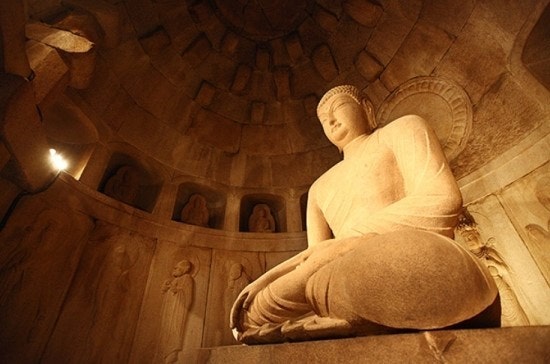
    A remarkable artificial stone grotto housing a magnificent seated Buddha looking toward the East Sea. Completed in 774, it symbolizes Buddhist paradise and showcases the height of Silla artistry.

    3) Daereungwon Tomb Complex (대릉원)(Cheonmachong Tomb (천마총))
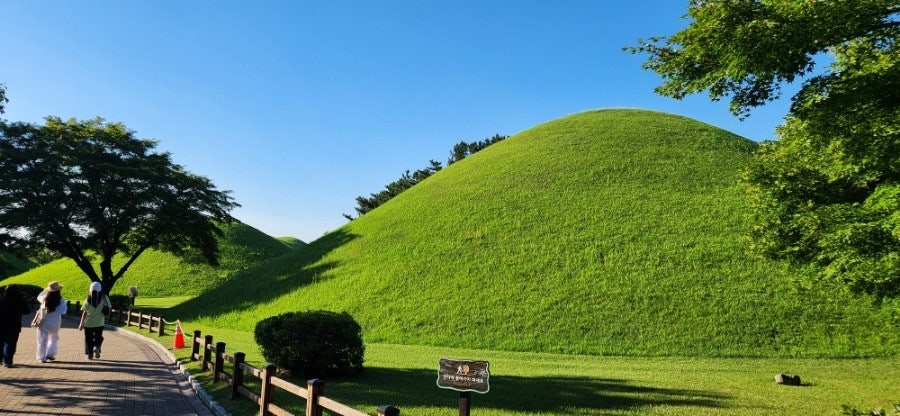
    This iconic complex features royal Silla tombs shaped like green mounds. Inside Cheonmachong, visitors can view replicas of gold crowns, royal accessories, and Silla-era artifacts.

    4) Donggung Palace & Wolji Pond (동궁 & 월지)
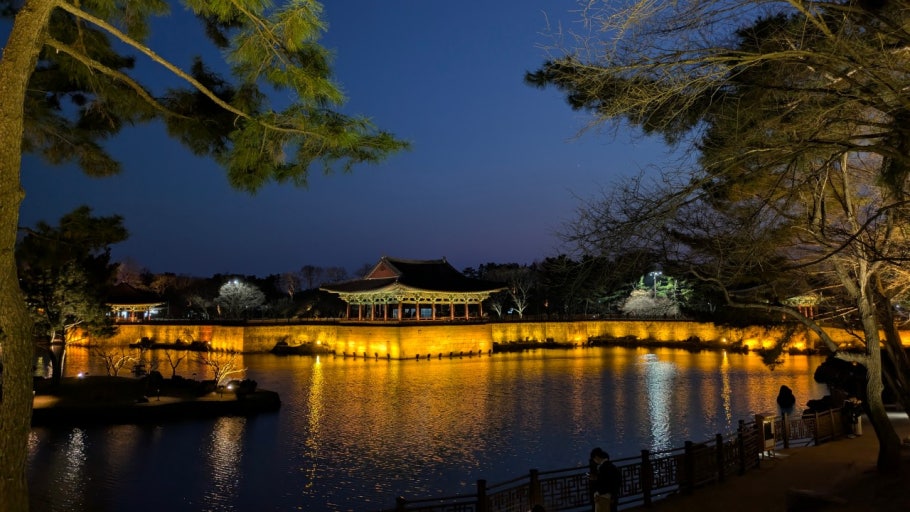
    Originally used for royal banquets and celebrations, this picturesque spot offers one of the most stunning night views in Korea with buildings reflecting beautifully on the pond.

    5) Cheomseongdae Observatory (첨성대)
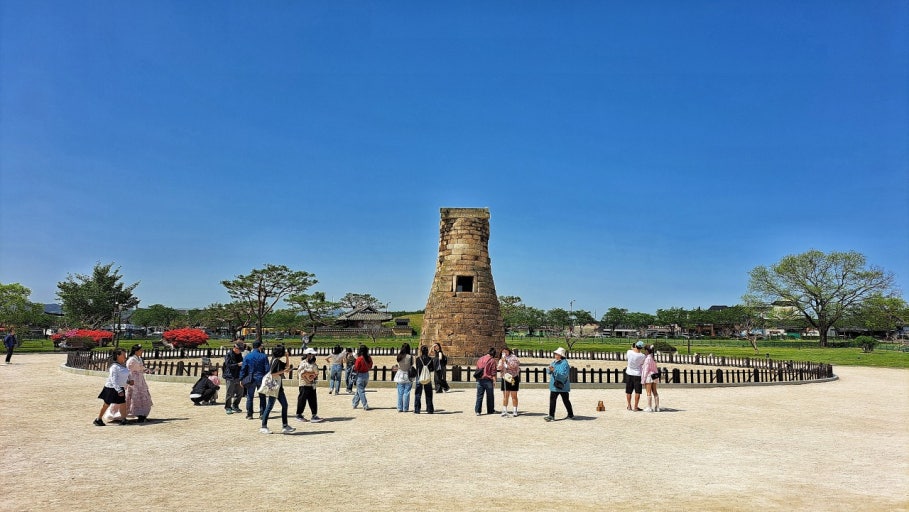
    Built during the 7th century, Cheomseongdae is Asia’s oldest surviving astronomical observatory. At night, it becomes a glowing landmark perfect for photography.

    6) Woljeonggyo Bridge (월정교)
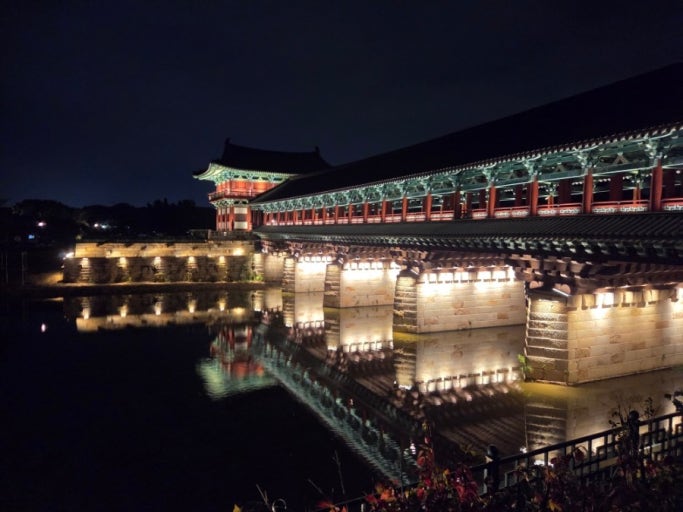
    A reconstructed Silla dynasty bridge known for its striking red pillars and elegant architecture—particularly beautiful at sunset or nighttime.

    7) Bomun Tourist Complex (보문관광단지)

    A scenic lakeside resort area offering walking trails, cafés, bike rentals, and seasonal festivals, ideal for families and couples.


    🎨 2. Unique Experiences in Gyeongju

    • Hanbok (한복) Rental & Historical Stroll
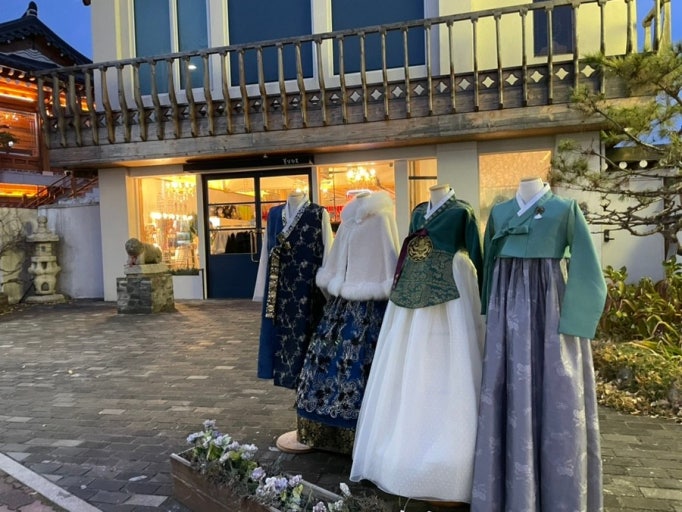
    Explore Daereungwon, Woljeonggyo, or Hwangnidan-gil in traditional Korean attire for memorable photos.

    • Cycling at Bomun Lake (보문호)

    A peaceful lakeside cycling route with easy rentals available.

    • National Museum of Gyeongju

    Home to iconic relics such as the Emille Bell, Silla crowns, and ancient stones.

    • Traditional Tea Houses & Pottery Workshops
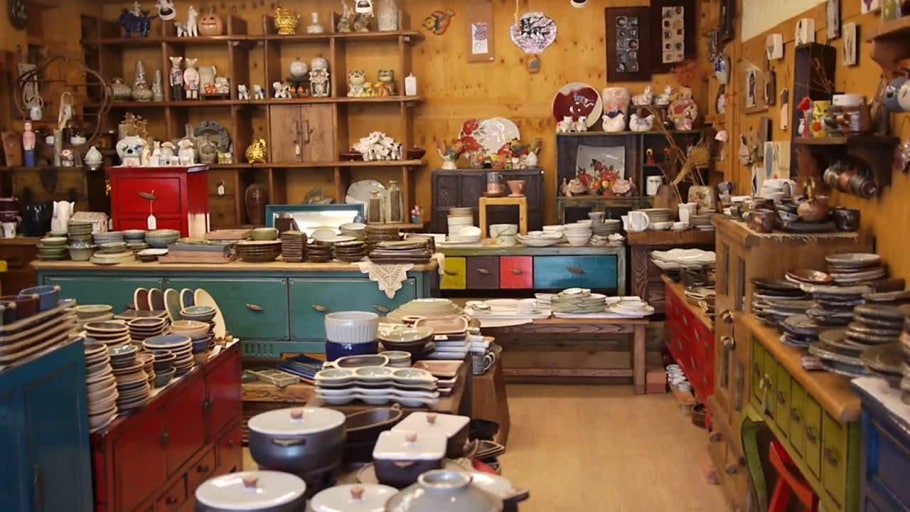
    Enjoy Korean herbal teas or try hands-on pottery experiences inspired by traditional ceramics. You can also experience to make pottery.


    🍜 3. What to Eat in Gyeongju

    Signature Gyeongju Foods

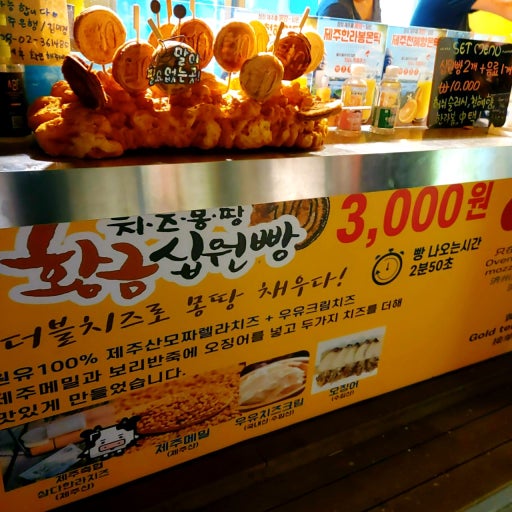
    • Hwangnam Bread (황남빵)

    Soft pastry filled with red bean paste, a must-buy Gyeongju specialty. (recommend the place named Hwangnam Ppang(황남빵) at 경북 경주시 태종로 783 (783 Taejong-ro, Gyeongju-si)

    • Gyeongju Barley Bread (경주 찰보리빵)
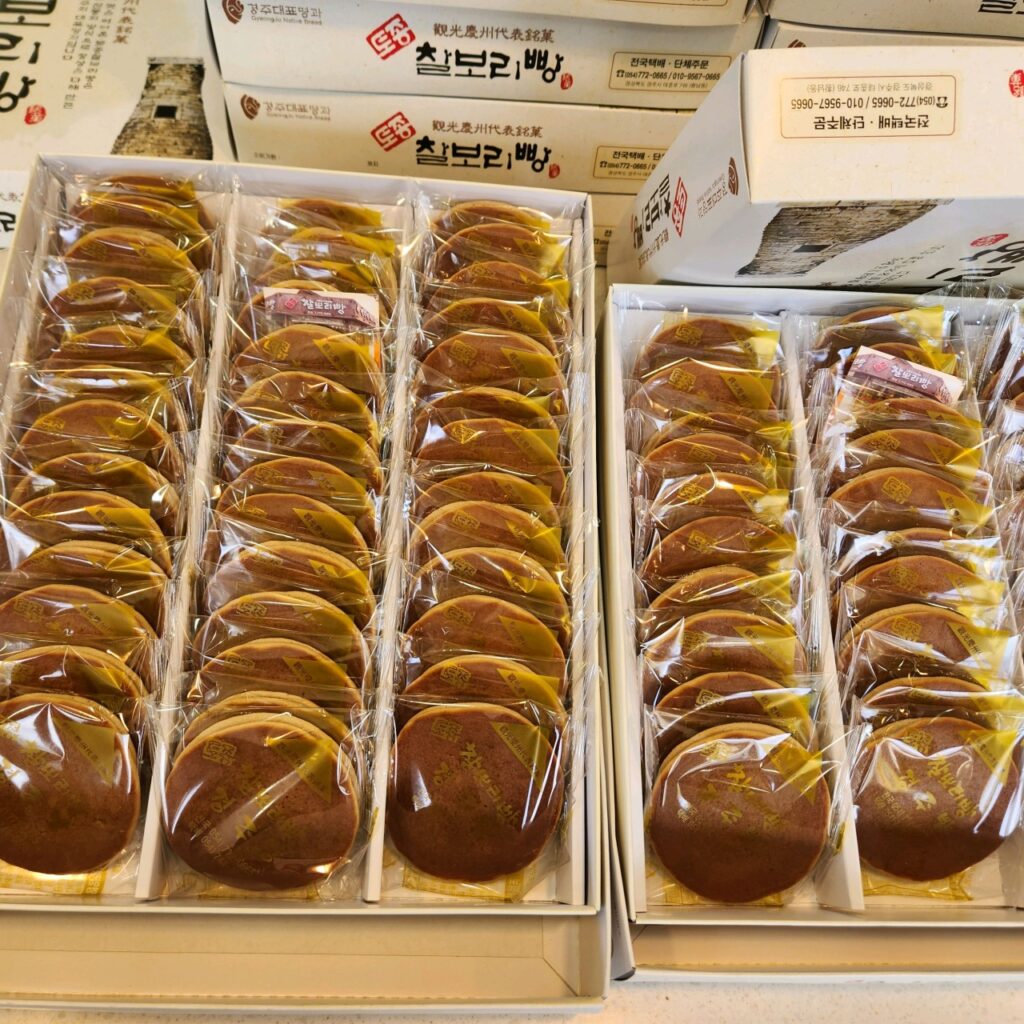
    Light, chewy traditional pastry perfect with coffee. (recommend the place named Tojong Chalbori Ppang Gyeongju Ppang Hwangnam bonjeom (토종 찰보리빵 경주빵 황남본점) at 경북 경주시 태종로 746 (746 Taejong-ro, Gyeongju-si)

    • Bulgogi Alley (Hwangseong-dong) (불고기 거리)
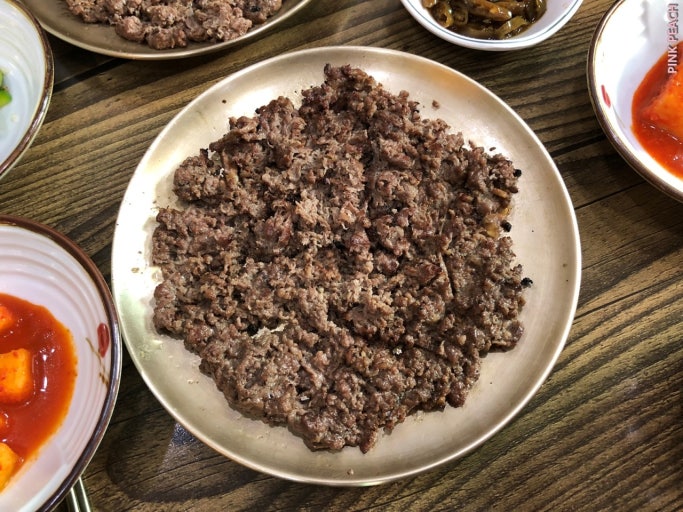
    A famous cluster of restaurants offering sweet, savory, Silla-style bulgogi (불고기) grilled on dome-shaped pans. It is also good for foreigners, because of the taste; salty and sweet, not spicy. And recommend to eat with korean style steamed rice.

    • Traditional Korean Set Meals (Hanjeongsik)(한정식)

    Available especially around Gyochon Village and central Gyeongju. Hanjeongsik(한정식) is the way of koreans eatting meals everyday in lives, and the style is to eat steamed rice, soup and bunch of sidedishes and one or more main dishes. Korean People eat at home like this way, of course little less side dishes, however, in Gyeongju area, you can find lots of Korean traditional hanjeongsik style restaurant. Of course you can find all around Korea, but as this place is korean traditional place, it is recommended to eat this area style Hanjeongsik.


    🍢 4. Gyeongju Street Food Must-Tries
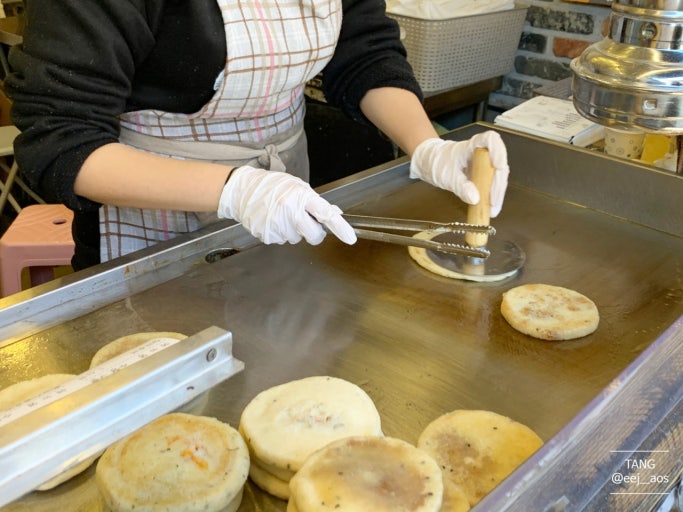
    • Hotteok (sweet pancake 호떡)
    • Cheese croquettes
    • Traditional tteokbokki & twigim
    • Dalgona (sugar candy)
    • Handmade fruit ice cream
    • Cotton candy & puffed rice snacks

    🌟 5. Deep Dive: Hwangnidan-gil — Gyeongju’s Trendiest Hotspot

    Hwangnidan-gil (황리단길) is one of the most Instagram-famous streets in South Korea. Located near Daereungwon Tomb Complex, this charming neighborhood blends traditional hanok architecture with modern cafés, boutique shops, and creative restaurants.

    Below is a full breakdown of what you’ll find in Hwangnidan-gil.
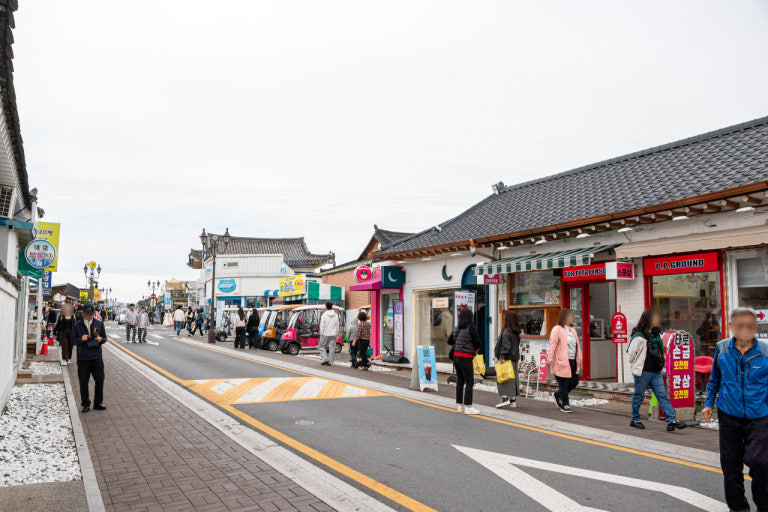

    🏘️ 1) Unique Atmosphere & Street Vibes

    • Renovated hanok-style buildings
    • Vintage alleys and curated lifestyle shops
    • Warm evening lighting and lanterns
    • Street murals and creative storefronts
    • A balanced mix of history and contemporary culture

    ☕ 2) Best Cafés in Hwangnidan-gil

    Hanok-style cafés

    Serving:

    • Omija tea
    • Citron tea
    • Injeolmi desserts
    • Traditional rice cakes
    • Mugwort tarts

    Modern dessert cafés

    Featuring:

    • Cheesecake
    • Matcha cakes
    • Macarons
    • Croffles
    • Fruit tarts

    Specialty coffee houses

    Perfect for coffee enthusiasts seeking single-origin beans or hand-drip brews.

    Rooftop cafés

    Offering panoramic views of Gyeongju’s old town and mountains.


    🍱 3) Popular Restaurants in Hwangnidan-gil

    Modern Korean dining

    Creative takes on bibimbap, bulgogi, grilled dishes, and set meals.

    Fusion cuisine

    Korean-Italian pasta, truffle bibimbap, spicy cream udon, or steak bowls.

    Hanok BBQ restaurants

    Traditional interiors with premium beef and pork options.

    Vegan / plant-based restaurants

    Serving grain bowls, tofu dishes, salads, and plant-based desserts—popular among international travelers.


      🛍️ 5) Shopping & Souvenirs

      • Local pottery and ceramics
      • Handmade soaps & natural skincare
      • Vintage clothing
      • Gyeongju-themed postcards & art
      • DIY perfume workshops

      Great for unique, meaningful souvenirs.


      📸 6) Must-Visit Photo Spots

      • Traditional hanok alleyways
      • Café entrances with vines and floral decor
      • Lantern-lit night streets
      • Wooden doors and retro windows
      • Walkway near Daereungwon Tombs
      • Minimalist lifestyle shops

      🧭 6. Travel Tips for Visiting Gyeongju

      • Best itinerary: Bulguksa → Seokguram → Daereungwon → Cheomseongdae → Hwangnidan-gil → Woljeonggyo Bridge
      • Spring & autumn are peak seasons
      • Rent a bicycle or scooter for easy transportation
      • Evenings at Hwangnidan-gil and Woljeonggyo Bridge are highly recommended for photos
      • Popular cafés may require waiting in line—especially on weekends

      📌 Final Thoughts — Why Gyeongju Is a Must-Visit

      Gyeongju is a unique destination where ancient history, nature, and modern culture blend seamlessly. From UNESCO temples to trendy spots like Hwangnidan-gil, and from traditional pastries to innovative fusion dining, the city offers a complete and memorable travel experience.

      Whether you’re looking for cultural enrichment, beautiful landscapes, delicious food, or Instagram-worthy moments, Gyeongju is one of the most rewarding places to visit in South Korea.
    • #3 “Hanwoo, 한우 Korea’s Pride and the World’s Finest Beef”

      #3 “Hanwoo, 한우 Korea’s Pride and the World’s Finest Beef”

      🥩 The Story of Hanwoo — Korea’s Legendary Beef

      When people talk about the world’s best beef, Hanwoo (Korean beef) mostly stands proudly more than Japan’s Wagyu and America’s Angus. Hanwoo is not just a type of meat — it’s a cultural symbol, deeply rooted in Korean history, pride, and tradition.


      📜 The Historical Origins of Korean Cattle, Hanwoo

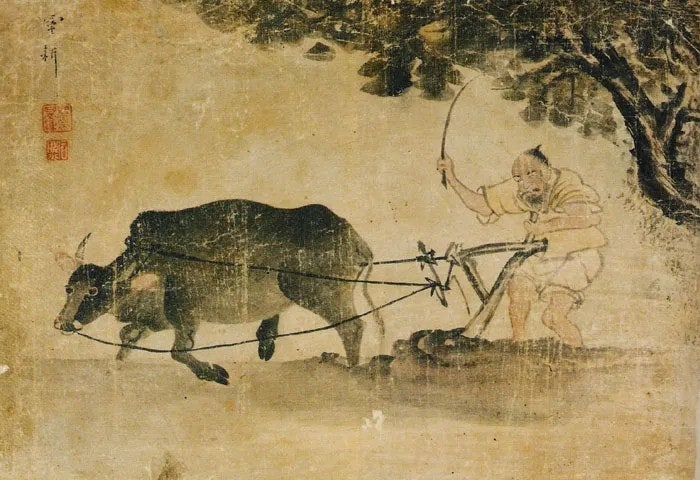
      Cattle have been a part of Korean life for more than two thousands of years. Records from ancient dynasties like Goguryeo (고구려) and Baekje (백제) describe the use of native yellow cattle (Korean Brown) for farming, transportation, and rituals.
      Unlike imported breeds, these cows evolved in harmony with Korea’s mountainous geography and four distinct seasons.

      During the Choseon Dynasty (조선시대), Hanwoo cattle were highly valued not only as labor animals but also as key agricultural assets. The meat of Hanwoo was reserved for special occasions, ancestral rites (제사), and royal feasts. Ordinary people rarely had a chance to eat beef unless it was a festival or family celebration. However, at the time, Hanwoo is used to be the labor animal, so it was not very soft and tendered to eat, so the soup with Hanwoo was the way to eat at that time.


      ⚔️ The Colonial Era and the Struggle for Survival

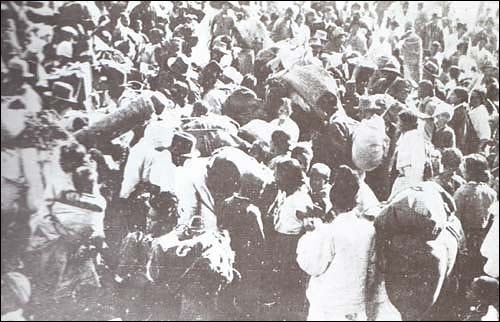
      During the Japanese occupation (1910–1945), Hanwoo faced one of its darkest chapters. Japan, preparing for war, needed strong livestock for its northern regions.
      Because the northern horses are needed for the wars, so the government took all the horses out what were the main labors for farming, so Japanese people tried to bring the cows from southern part of Japan, but those cows couldn’t survive the coldness of the northern part of Japan, the Japanese military began forcibly taking Korean yellow cattle and black cattle (흑우) to Japan.

      Many of these native Korean cows never returned, and the Hanwoo population declined sharply.
      This tragic period nearly erased the genetic purity of Korea’s native cattle. And also, Korean Original Black Cattle(흑우) is one of the main key cow to make Wagyu in Japan. This is why Japan says the yellow cows in Japan are all from Korea, and all black cows are originally from Japan, because at that time, as yellow cows were for labors, so the meat was too chewy which is hard to eat grilling, but black cows were delicious which were from Korea.
      After Korea’s liberation in 1945, farmers and scientists began nationwide breeding programs to restore and protect Hanwoo. These efforts laid the foundation for the premium beef Koreans proudly enjoy today.


      🧬 The Birth of Modern Hanwoo — Premium Korean Beef

      Modern Hanwoo is the result of decades of selective breeding and innovation. It is famous for its beautiful marbling, sweet aroma, and clean beef flavor — less greasy than Wagyu, yet more tender than Angus.
      This balance makes Hanwoo one of the most luxurious and sought-after meats in the world.

      Hanwoo cattle are raised under strict government standards:
      only Korean-born cows fed on natural grains and raised with full traceability records can be certified as Hanwoo.
      This transparency adds to consumer trust and boosts international recognition.


      🍽️ Experiencing Hanwoo — From Butcher to Table

      One of the most unique ways to experience Hanwoo is in Majang-dong (마장동), Seoul’s famous meat district.
      Here, visitors can walk through local butcher shops, choose their own beef cuts directly, and take them upstairs to the 2nd-floor BBQ areas.
      It’s the ultimate farm-to-table experience — grilling and tasting top-grade Hanwoo within minutes of purchase.

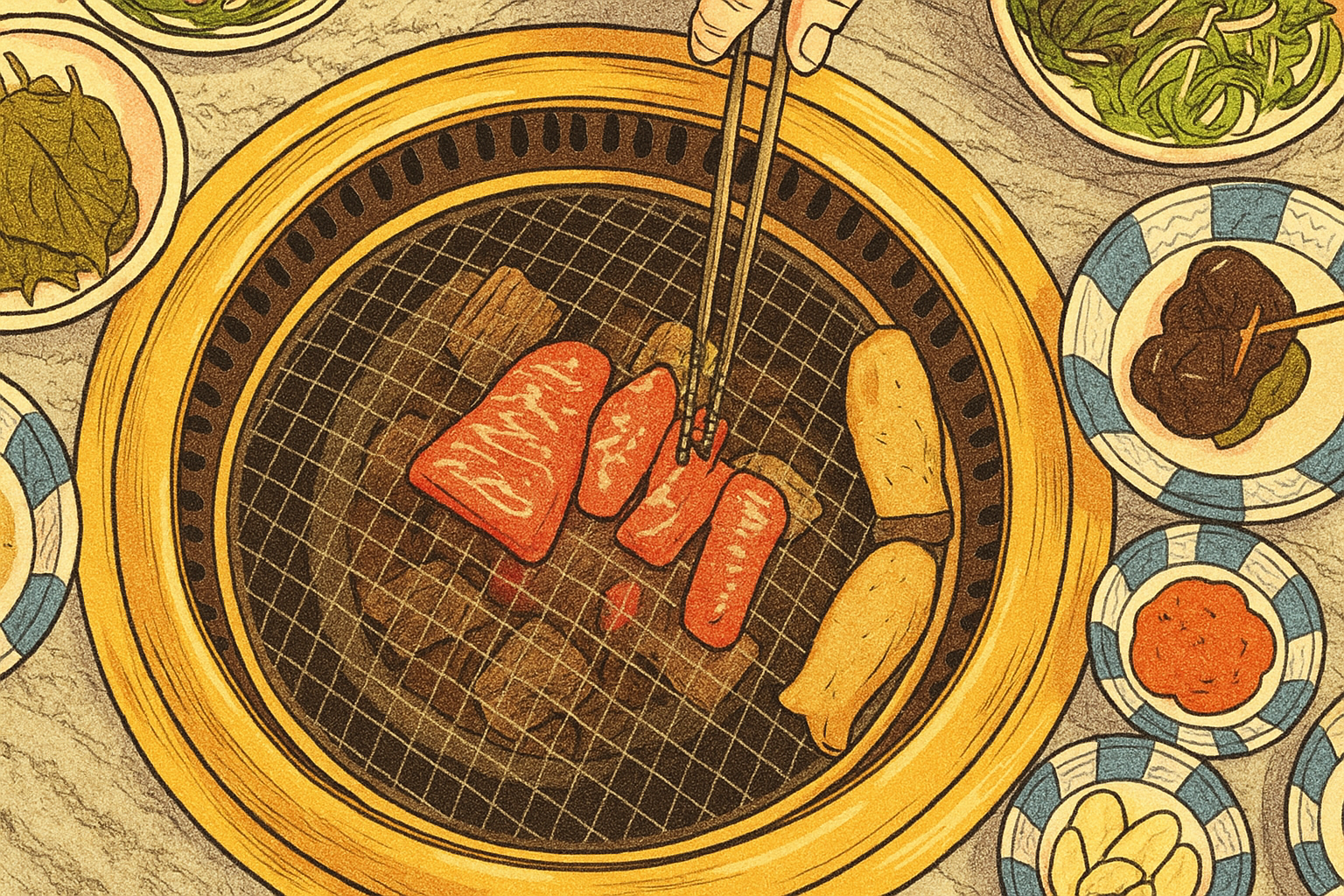
      Hanwoo BBQ (한우 바베큐) highlights the meat’s natural flavor — no heavy sauces, just salt and pepper to let the marbling speak for itself.

      Beyond BBQ, Hanwoo shines in a variety of beloved Korean dishes:

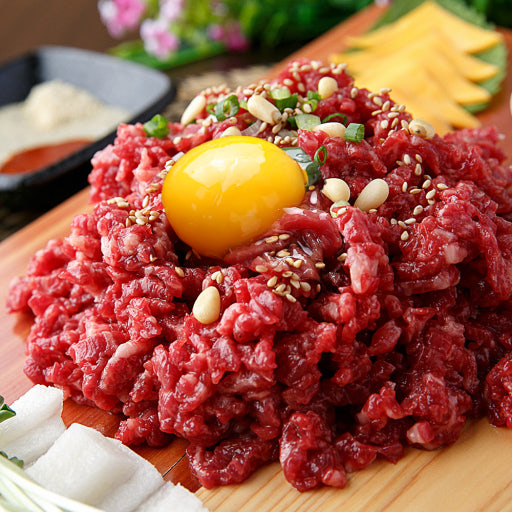
      • 🥩 Hanwoo Yukhoe (한우 육회) — Korean-style beef tartare made with fresh raw Hanwoo, seasoned with sesame oil, garlic, and pear.
      • 🥢 Hanwoo Yuk Sashimi (육사시미) — Thinly sliced raw beef served cold and delicately marinated.
      • 🍚 Hanwoo Yukhoe Bibimbap (한우 육회 비빔밥) — A colorful harmony of rice, vegetables, and chopped Hanwoo raw beef mixed with gochujang (Korean chili paste).
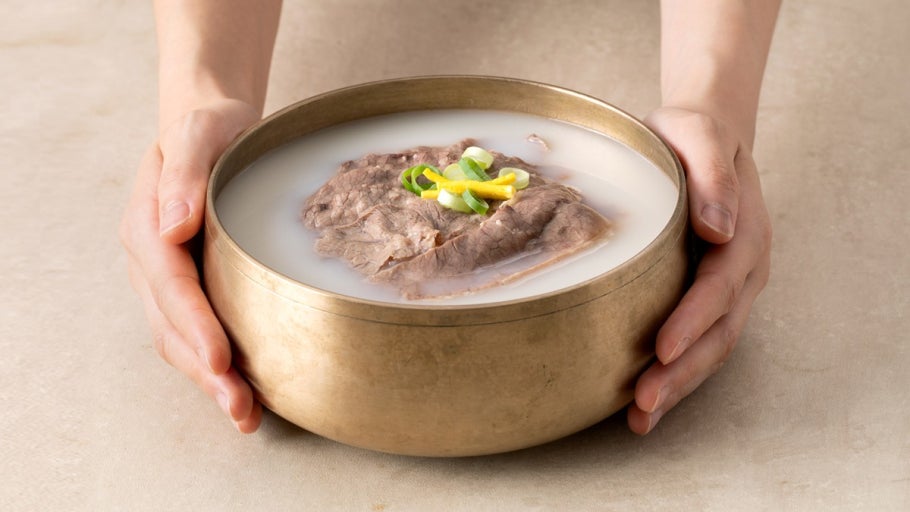
      • 🍲 Hanwoo Gomtang (한우 곰탕) — A deep, milky beef soup simmered for hours with Hanwoo bones for pure, comforting flavor.

      Each dish reveals a different side of Hanwoo — from raw tenderness to rich, soulful umami.


      🇰🇷 Hanwoo Today — Korean Pride on a Global Stage

      Today, Hanwoo represents more than just food — it’s a symbol of Korean excellence and resilience.
      International chefs and gourmet travelers are recognizing Hanwoo’s superior quality and distinct taste.
      From Seoul’s fine dining restaurants to small-town BBQ houses, Hanwoo has become a culinary ambassador of Korea to the world.

      With government-backed grading systems and traceability programs, Hanwoo continues to build a global reputation as one of the world’s top premium beefs — the true pride of Korea.
    • #5🌸Ultimate Myeongdong Travel Guide 2025 — Things to Do, Best Restaurants & Local Secrets

      #5🌸Ultimate Myeongdong Travel Guide 2025 — Things to Do, Best Restaurants & Local Secrets


      If you’re visiting Seoul (서울) for the first time, one name you’ll hear again and again is Myeongdong (명동) — the beating heart of K-pop fashion, street food, and youth culture. Once known as the trendiest shopping district in Korea, Myeongdong is now a vibrant blend of modern Korean lifestyle, global retail, and hidden local gems that still hold onto their charm.

      In this guide, we’ll explore everything you need to know before visiting Myeongdong — from must-see attractions and famous restaurants to what to do, eat, and buy for a perfect Seoul trip.


      🏙️ What Is Myeongdong?

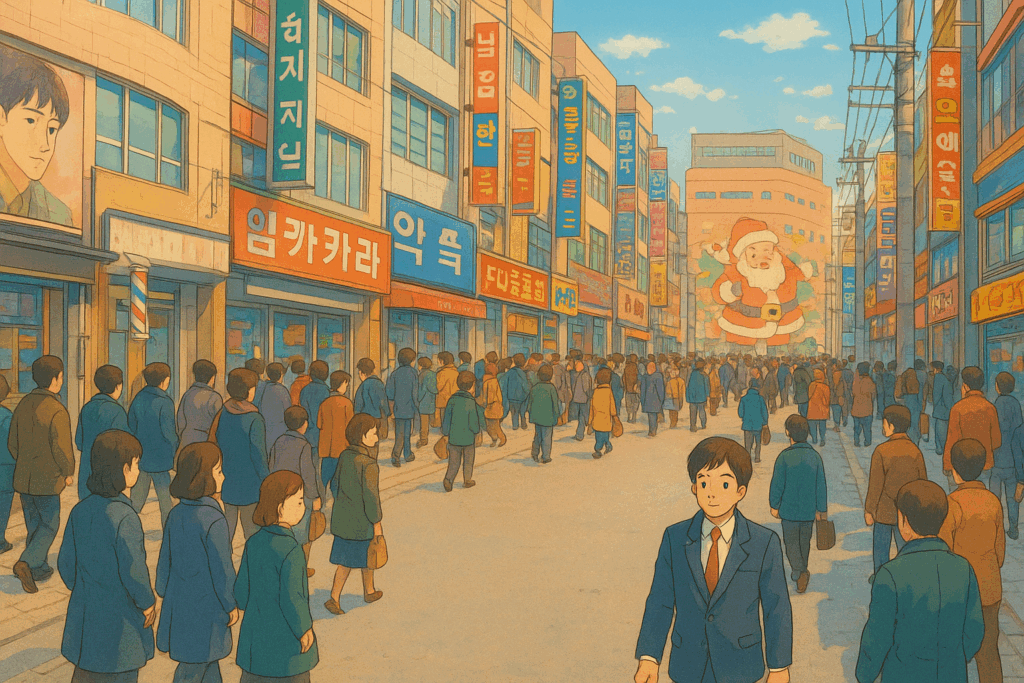
      70s Myeongdong street image

      Myeongdong is a lively commercial district located in the heart of Jung-gu, Seoul. It’s known as one of Korea’s most popular tourist destinations, attracting millions of visitors each year. The area is packed with cosmetic stores, fashion boutiques, K-pop merchandise shops, and street food stalls that stay open late into the night.

      • 📍 Location: Jung-gu, Seoul, South Korea
      • 🚇 Nearest Station: Myeongdong Station (Line 4, Exit 6 or 7)
      • Best Time to Visit: Afternoon to evening (3 PM – 9 PM)

      🛍️ Best Things to Do in Myeongdong

      1. Shop Until You Drop

      Myeongdong is a shopping paradise. Whether you’re looking for Korean cosmetics, trendy fashion, or K-pop souvenirs, this district has it all.

      Top shopping spots include:

      • Lotte Department Store (롯데백화점) — A luxury shopping destination for global brands.
      • Myeongdong Street (명동거리) — The main shopping street filled with cosmetic stores like Innisfree, Etude House, and Nature Republic.
      • Noon Square (눈스퀘어) — A stylish shopping mall that combines local brands and international fashion labels.

      💡 Travel Tip: Many stores offer tax refunds for foreigners, so bring your passport.


      2. Discover Myeongdong Cathedral

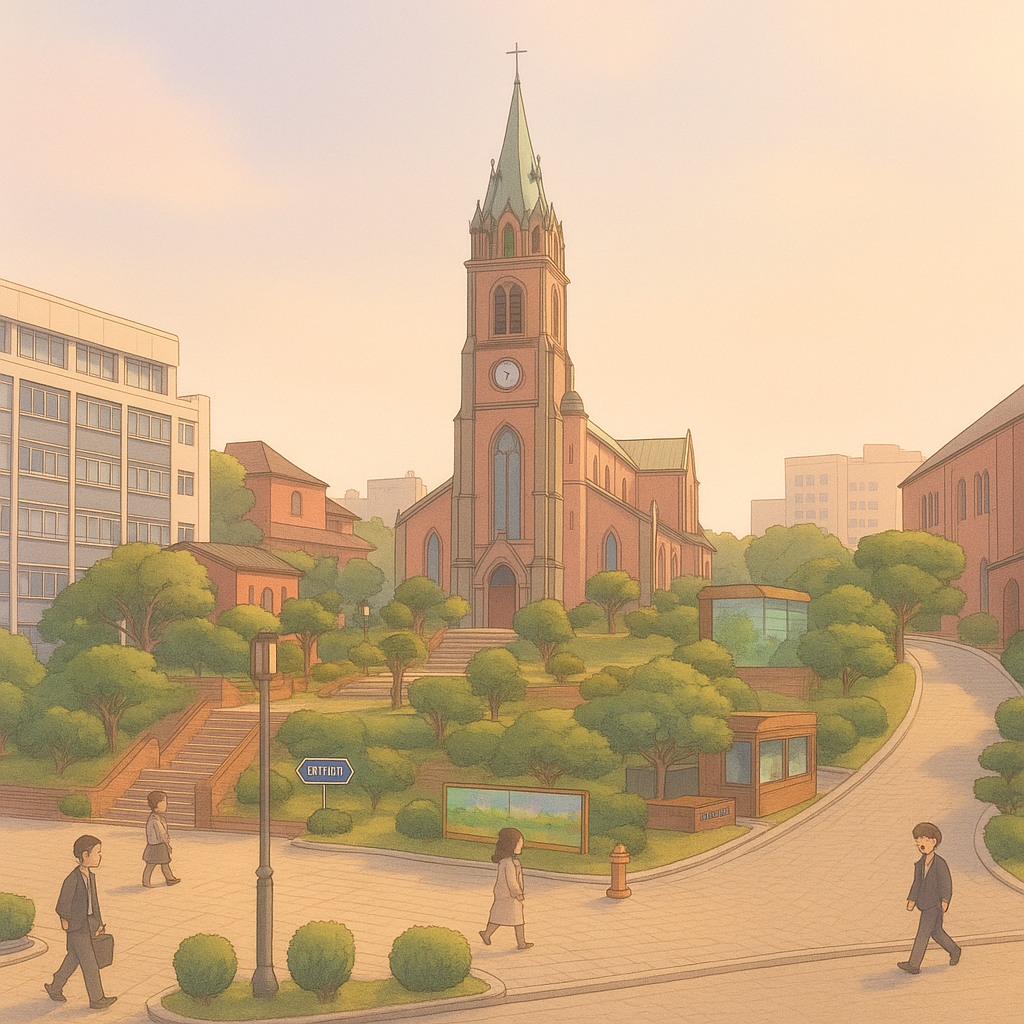
      Built in 1898, Myeongdong Cathedral (명동성당) is one of Korea’s most important historical landmarks. Its Gothic-style architecture and serene interior offer a calm escape from the busy streets. Even if you’re not religious, this place is worth a short visit for photos and peaceful reflection.

      📍 Myeongdong Cathedral Official Site


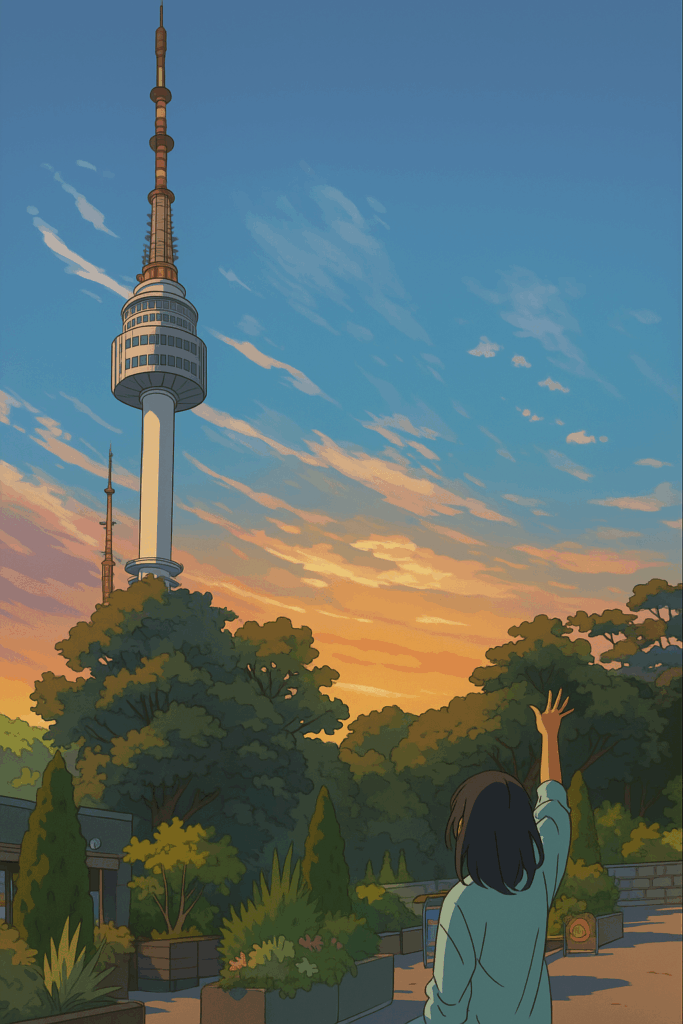
      3. Explore Namsan Seoul Tower

      A short walk or cable car ride from Myeongdong will take you to Namsan Seoul Tower (남산서울타워) — one of the most famous landmarks in Korea. From the top, you’ll enjoy a breathtaking 360° view of Seoul, especially stunning at sunset or night.

      • 🎟️ Admission: ₩16,000 (observation deck)
      • 🚠 Cable Car: ₩14,000 round trip
      • 💞 Don’t miss: “Locks of Love” area — couples leave padlocks as a symbol of eternal love.

      📍 N Seoul Tower Website


      4. Experience K-Beauty Culture

      Myeongdong is the birthplace of K-beauty, with hundreds of cosmetic stores offering free samples and personalized skincare advice. You can even book a facial treatment or makeover at local salons specializing in Korean skincare.

      Popular brands: Laneige, Sulwhasoo, Olive Young, Missha, Tony Moly


      🍢 Best Street Food in Myeongdong

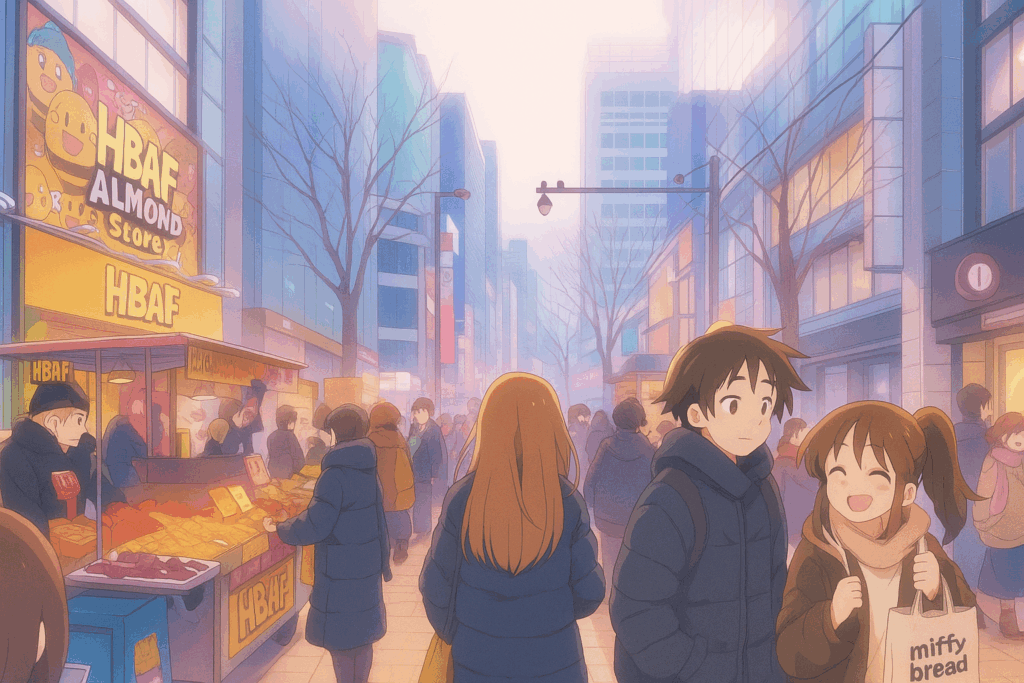
      No trip to Myeongdong is complete without exploring its famous street food alley. As the sun sets, dozens of vendors line the main street, filling the air with mouthwatering smells.

      Must-Try Street Foods

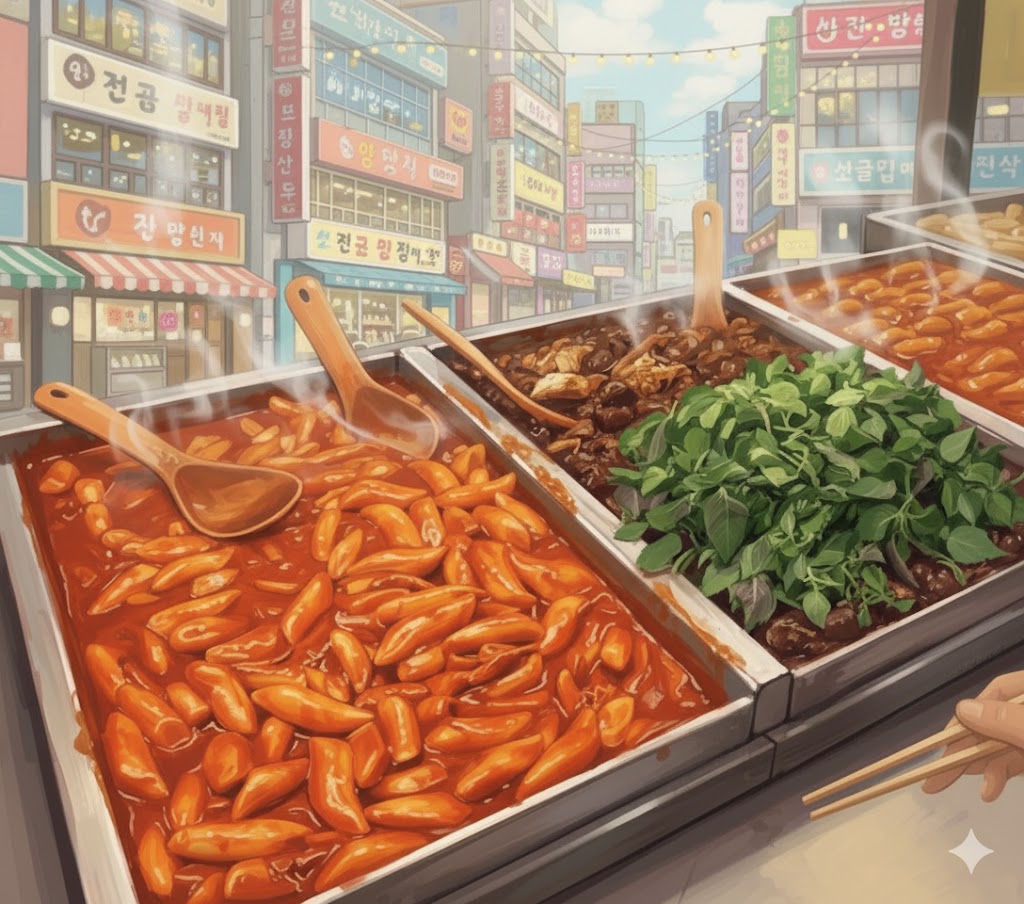
      • Tteokbokki (떡볶이) – Spicy rice cakes in sweet and fiery gochujang sauce
      • Hotteok (호떡) – Sweet pancake filled with brown sugar, cinnamon, and nuts
      • Eomuk (어묵) – Korean fish cake skewers served with warm broth
      • Gyeranppang (계란빵) – Mini egg bread, fluffy and delicious
      • Dakkochi (닭꼬치) – Grilled chicken skewers with spicy sauce
      • Grilled Lobster Tail (랍스터 꼬리) – A luxurious modern twist on Korean street eats

      💡 Pro Tip: Visit around 5 PM to 9 PM for the best variety.


      🍽️ Best Restaurants in Myeongdong

      If you want a proper sit-down meal, Myeongdong offers some of the best traditional Korean and modern fusion restaurants in Seoul.

      1. Myeongdong Kyoja (명동교자)

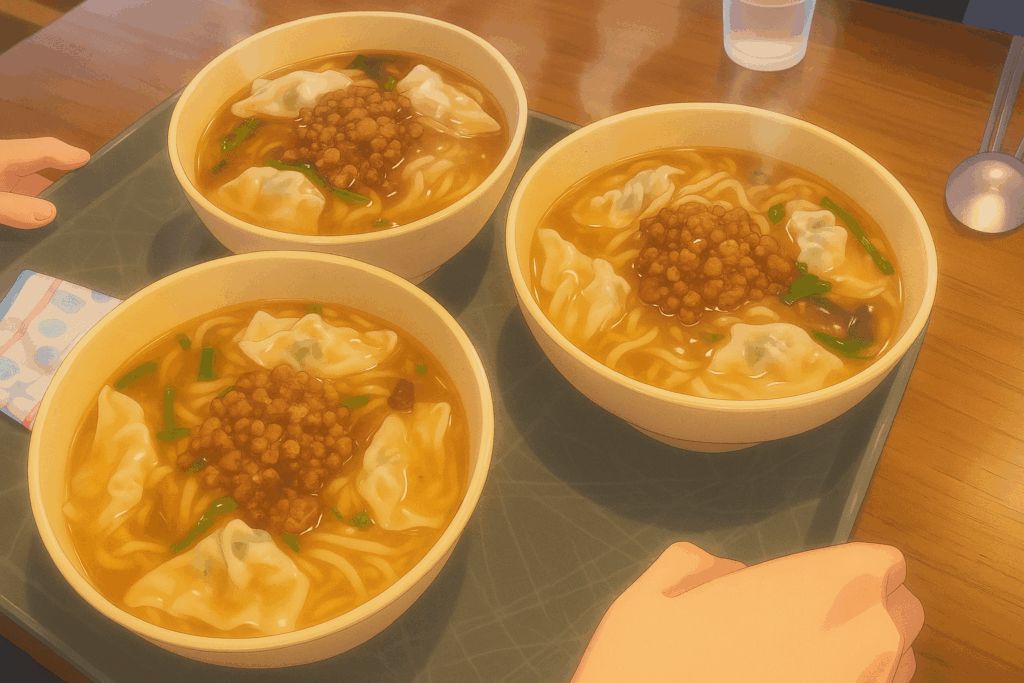
      A Michelin Guide-listed noodle restaurant famous for its knife-cut noodles (kalguksu) and dumplings (mandu).
      📍 Location: 29 Myeongdong 10-gil, Jung-gu
      💰 Price: ₩10,000–₩15,000
      ⭐ Must-Try: Kalguksu, Mandu, and Kimchi


      2. Hadongkwan (하동관)

      One of the oldest Gomtang (beef soup) restaurants in Seoul, open since 1939.
      📍 Location: 12 Myeongdong 9-gil
      💰 Price: ₩14,000–₩18,000
      💬 Pro Tip: Arrive early — it sells out fast!


      3. Yoogane (유가네)

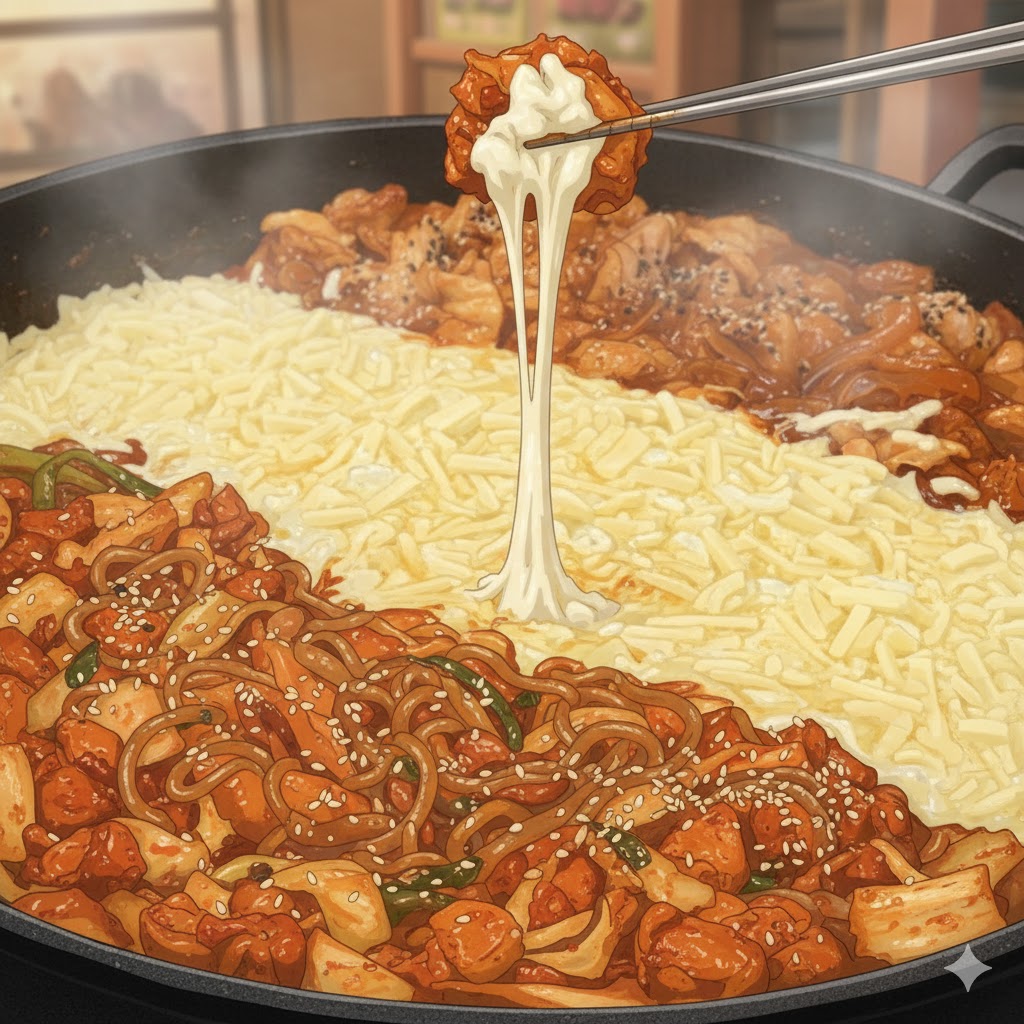
      A popular chain restaurant serving Dak Galbi (spicy stir-fried chicken) right at your table.
      📍 Location: 3 Myeongdong 8-gil
      🔥 Best For: Spicy food lovers and groups of friends.


      4. James Cheese Back Ribs (제임스치즈등갈비)

      Cheese and ribs might not sound Korean, but this restaurant redefines comfort food. Melted mozzarella and juicy ribs — an Instagram favorite!
      📍 Location: 2F, 47 Myeongdong 8ga-gil


      ☕ Best Cafes in Myeongdong

      • Stylenanda Pink Pool Café – A pastel-colored dream inside the iconic Stylenanda building
      • Coffee Libre – Specialty coffee with a cult following
      • A Twosome Place (투썸플레이스) – Cozy and perfect for dessert and people-watching
      • O’sulloc Tea House (오설록) – Premium green tea desserts and matcha drinks from Jeju Island

      🎭 Fun Experiences in Myeongdong

      • 🧖 Try a Korean spa (jjimjilbang) nearby for a unique relaxation experience.
      • 🎶 Watch a NANTA Show – A world-famous non-verbal performance blending comedy and cooking.
      • 📸 Take a K-pop photoshoot – Several studios offer idol-style photoshoots with full makeup and costumes.

      🌃 Nighttime in Myeongdong

      At night, the neon lights turn Myeongdong into a mini-Tokyo — vibrant, colorful, and full of energy. The atmosphere feels alive with music, laughter, and endless shopping.

      What to do at night:

      • Shop for souvenirs until 10 PM
      • Try late-night street food
      • Walk toward Namsan Park (남산공원) for a quiet view of the city lights

      💡 Insider Tips

      • Bring cash (₩) for street vendors — many don’t take cards.
      • Wear comfortable shoes — the streets are narrow and often crowded.
      • Visit on weekdays for fewer crowds.
      • Avoid Mondays — some restaurants close for rest.

      🧭 Final Thoughts

      Myeongdong perfectly captures the energy, creativity, and flavor of modern Seoul. It’s not just a shopping district — it’s a living showcase of K-culture, from fashion and beauty to food and music. Whether you’re visiting for a few hours or a few days, Myeongdong will leave you with unforgettable memories of Korea’s youthful spirit.


    • #2 “The Fiery Popularity of K-Pop Demon Hunters and Tteokbokki 떡볶이  Korea’s Spicy Soul Food”

      #2 “The Fiery Popularity of K-Pop Demon Hunters and Tteokbokki 떡볶이 Korea’s Spicy Soul Food”

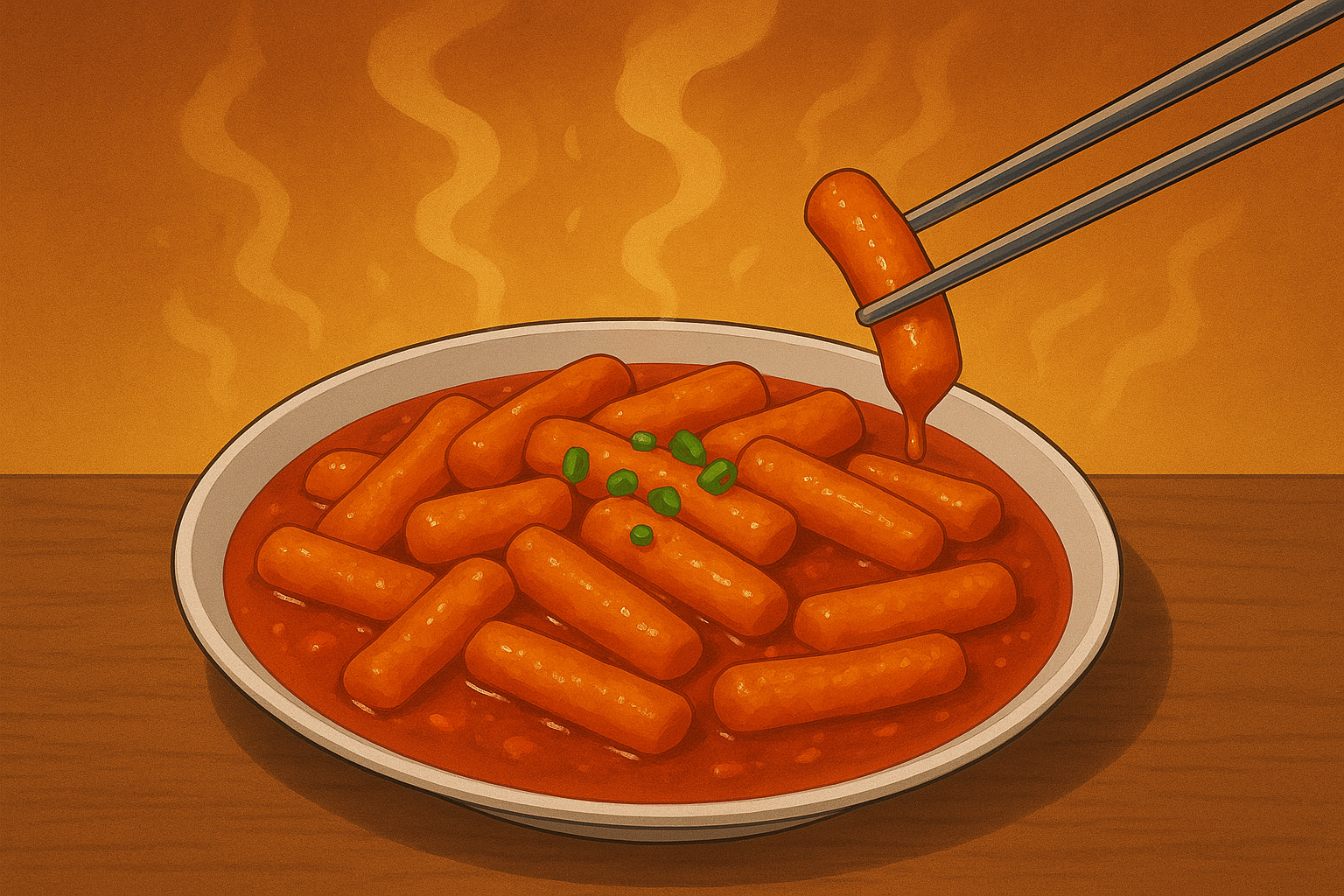
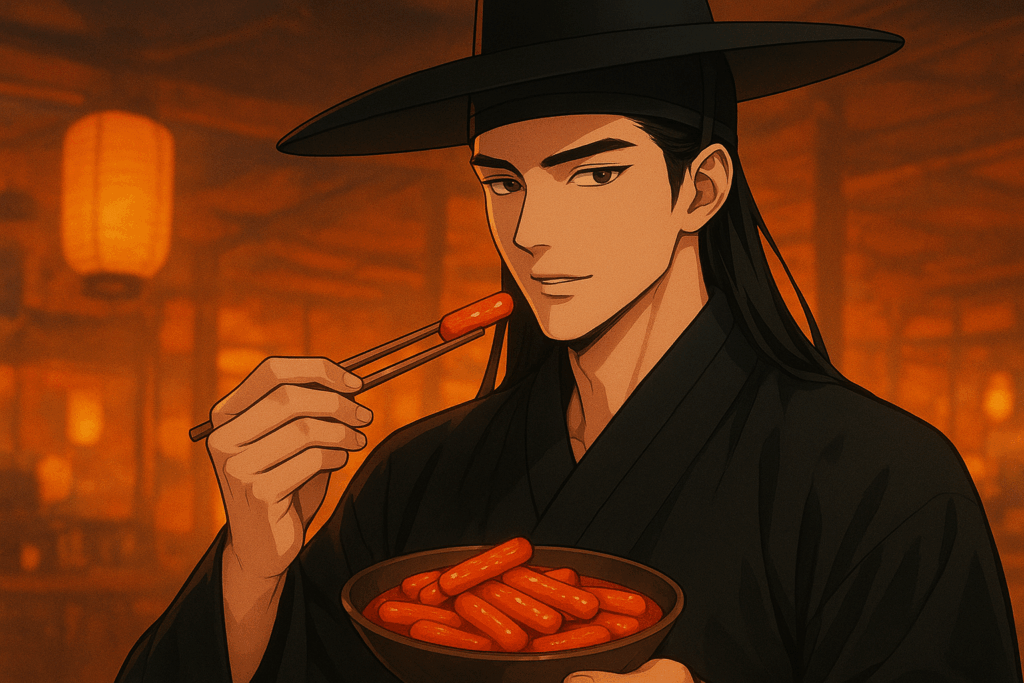
      Tteokbokki (떡볶이) — one of the most iconic Korean street foods — has once again captured the world’s attention, thanks to the hit animation K-Pop Demon Hunters.
      The scene where the demon hunters enjoy spicy tteokbokki with goblins perfectly captures the soul of modern Korean culture.

      In this post, we’ll dive deep into the history of tteokbokki, its symbolism in K-Pop Demon Hunters, and the recipes for various versions:
      classic spicy tteokbokki, royal (gungjung), black bean (jajang), cream, and rosé tteokbokki.


      🩸 Tteokbokki in K-Pop Demon Hunters

      “Spice isn’t just a flavor — it’s our passion.”
      — Leon, Leader of Saja Boys (K-Pop Demon Hunters)

      The scene where the Saja Boys share tteokbokki is more than a meal.
      It represents passion, friendship, and Korean warmth (Jeong, 정).

      The red color of the sauce symbolizes burning ambition,
      the chewy rice cakes represent unity and teamwork,
      and the sweet and spicy flavor reflects the emotional bond between the characters and their fans.

      🎬 “One bite gives me strength.” — Minho, Episode 2 of K-Pop Demon Hunters


      🕰️ A Bite of History — From Royal Palaces to Street Food

      Tteokbokki originally began as a royal court dish during the Joseon Dynasty,
      flavored with soy sauce rather than gochujang. This elegant version was called Gungjung Tteokbokki (궁중 떡볶이).

      After the Korean War in the 1950s, the spicy red gochujang version appeared in Seoul’s Sindang-dong district.
      It quickly became a comfort food that symbolized hope and resilience.

      From royal palaces to bustling street stalls, tteokbokki evolved into a K-Food icon,
      now loved worldwide through K-pop, K-drama, and K-culture.


      🍽️ Classic Spicy Tteokbokki Recipe

      🧂 Ingredients

      • 300g rice cakes (떡)
      • 2 sheets of fish cake
      • 1 green onion
      • 2 tbsp gochujang (고추장 Korean chili paste)
      • 1 tbsp chili flakes
      • 1 tbsp sugar
      • 1 tbsp soy sauce
      • 400ml water

      👩‍🍳 Instructions

      1. Combine all sauce ingredients in a pan and bring to a boil.
      2. Add rice cakes and fish cakes once the sauce starts bubbling.
      3. Simmer on medium heat while stirring until the sauce thickens.
      4. Add green onions at the end and cook for another minute or two.

      💡 Tip: Soaking rice cakes in water before cooking makes them softer and chewier!


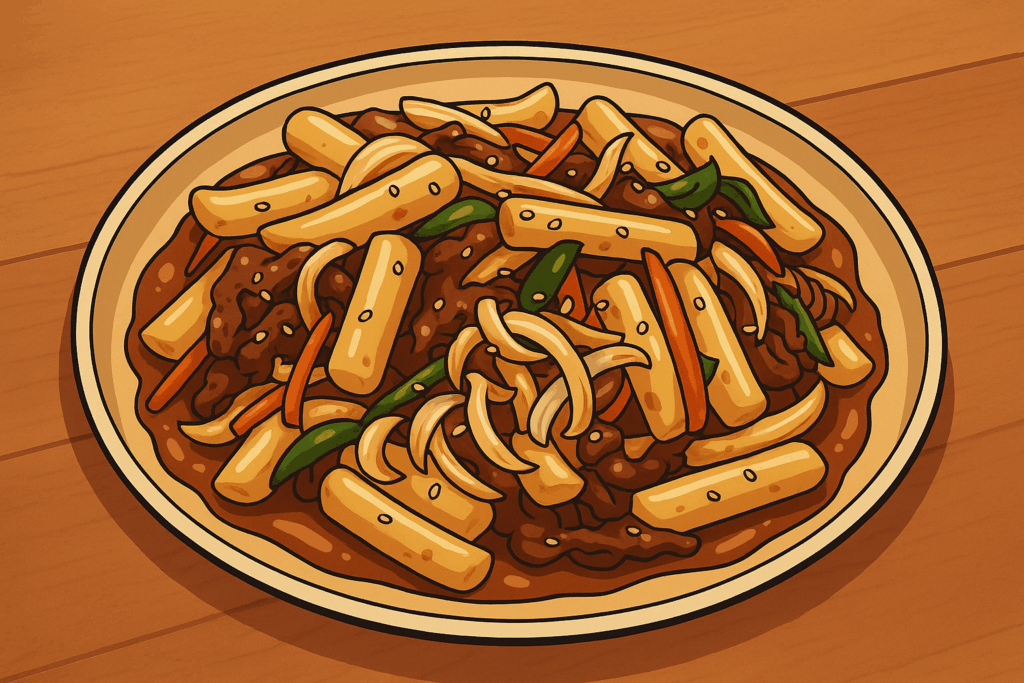
      👑 Royal Tteokbokki (Gungjung Tteokbokki)

      A savory, non-spicy version — perfect for those who prefer mild flavors.
      This was once enjoyed by Korean royalty.

      🧂 Ingredients

      • 300g rice cakes
      • 100g beef
      • 2 shiitake mushrooms
      • 1/2 onion
      • 2 tbsp soy sauce
      • 1 tbsp sugar
      • 1 tbsp sesame oil

      👩‍🍳 Instructions

      1. Stir-fry beef, mushrooms, and onions.
      2. Add rice cakes and soy sauce mixture, then simmer gently.
      3. Finish with sesame oil and sesame seeds for aroma.

      ✨ Gungjung Tteokbokki has a subtle sweetness and soy-based umami flavor — perfect for children or international food lovers.


      🖤 Jajang Tteokbokki (Black Bean Sauce)

      Sweet, salty, and deeply flavorful — the jajang version is beloved by kids and adults alike.

      🧂 Ingredients

      • 300g rice cakes
      • 3 tbsp black bean paste (chunjang)
      • 2 sheets fish cake
      • 1/2 onion
      • 300ml water

      👩‍🍳 Instructions

      1. Stir-fry onion and fish cakes, then add black bean paste.
      2. Add rice cakes and water, and simmer until thickened.
      3. Serve hot with sliced green onions on top.

      🤍 Cream Tteokbokki

      A western twist on a Korean classic! Smooth, creamy, and comforting.

      🧂 Ingredients

      • 300g rice cakes
      • 200ml heavy cream
      • 100ml milk
      • 1/4 onion
      • 1 tbsp butter
      • Salt & pepper to taste

      👩‍🍳 Instructions

      1. Melt butter and sauté onion.
      2. Add cream and milk, bring to a gentle boil.
      3. Add rice cakes and stir until thick and creamy.

      💡 Add shrimp, bacon, or cheese for a richer flavor!


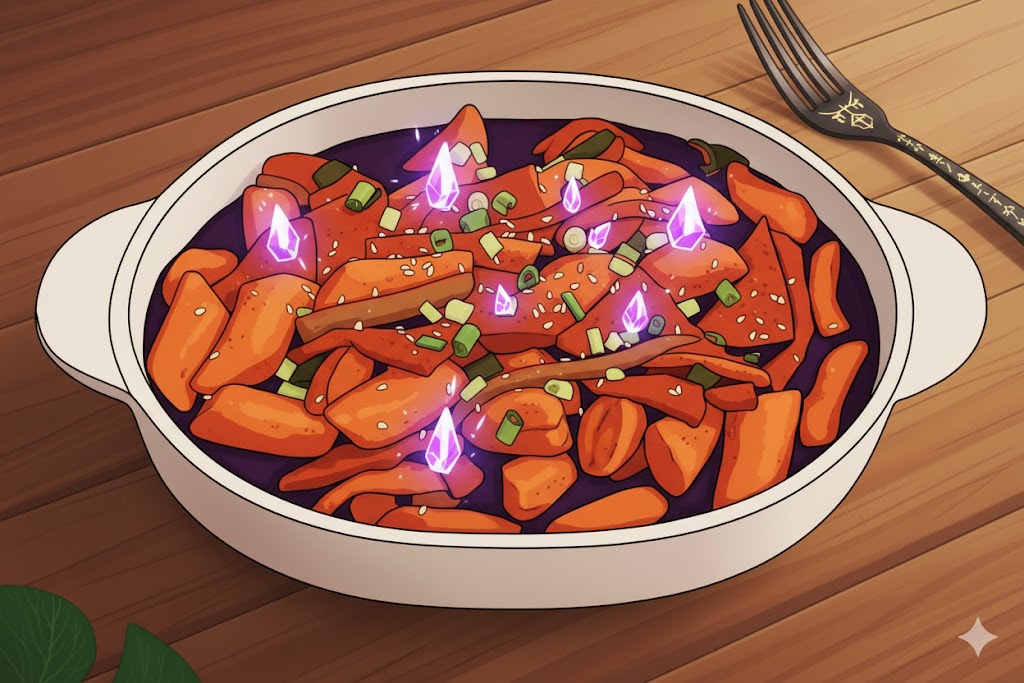
      🌹 Rosé Tteokbokki

      The trending star of K-Food — spicy, creamy, and utterly irresistible.
      This version combines gochujang with cream and cheese.

      🧂 Ingredients

      • 300g rice cakes
      • 1 tbsp gochujang
      • 200ml heavy cream
      • 50g mozzarella cheese
      • 1/4 onion
      • 1 tbsp butter

      👩‍🍳 Instructions

      1. Sauté onion with butter, then mix in gochujang.
      2. Add cream and simmer, then stir in rice cakes.
      3. Finish with mozzarella cheese and melt until creamy.

      🔥 Tteokbokki’s Global Fever

      • Featured on Netflix, YouTube, and TikTok as part of the K-Food wave
      • Celebrities worldwide share K-Pop-inspired tteokbokki mukbangs
      • Continually evolving — from rosé to vegan variations

      🌏 As K-Pop Demon Hunters shows us, tteokbokki is more than food —
      it’s a symbol of Korean emotion, culture, and passion that resonates globally.


      🏁 Final Thoughts

      Tteokbokki isn’t just spicy rice cakes —
      it’s a story of Korean history, resilience, and K-pop energy.
      Like the K-pop Demon Hunters, take one fiery bite and feel the passion ignite! 🔥


      #KFood #Tteokbokki #KpopDemonHunters #KoreanFood #Kpop #RoséTteokbokki #RoyalTteokbokki #JajangTteokbokki #CreamTteokbokki #Kculture #Kdrama #KpopFood

    • #1 “Kimbap 김밥: Korea’s Iconic Roll Beyond Sushi”

      #1 “Kimbap 김밥: Korea’s Iconic Roll Beyond Sushi”


      🥢 Kimbap: Korea’s Iconic Roll Beyond Sushi

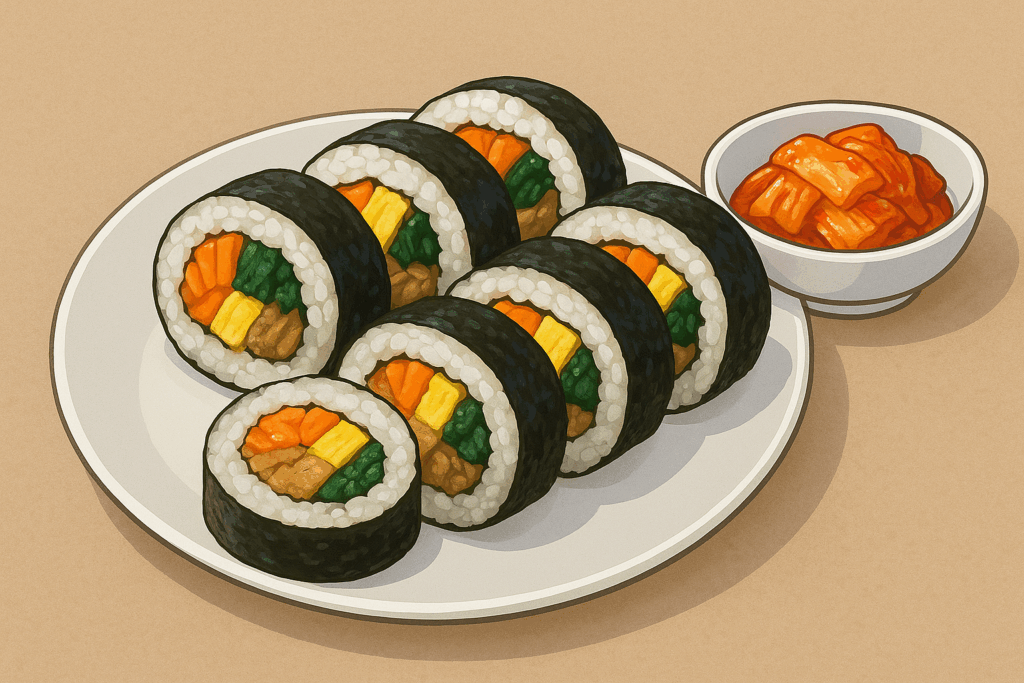
      Kimbap (김밥) — one of Korea’s most iconic and loved foods — may look like sushi at first glance, but it’s a world of flavor apart.
      While Japanese sushi (스시) focuses on vinegared rice and raw fish, Kimbap celebrates sesame oil–flavored rice with colorful, cooked ingredients that create harmony in every bite.

      Kimbap is the ultimate comfort food in Korea — found in lunchboxes, at picnics, or on bustling Seoul streets.
      It’s quick, beautiful, and full of heart — much like Korean culture itself.


      🍙 What Makes Kimbap Different from Sushi?

      The difference lies in the rice and the fillings.

      • Sushi uses vinegared rice and raw seafood.
      • Kimbap uses sesame oil–seasoned rice and various cooked fillings such as spinach, egg, ham, or pickled radish (단무지).

      The result?
      Kimbap tastes more aromatic, savory, and comforting — designed for a full meal rather than just a bite.


      🌈 The Endless Possibilities of Kimbap

      Every roll tells a story — and every Korean family has its own version of the perfect Kimbap.

      Popular Kimbap Variations

      • Classic Kimbap (기본 김밥) – Spinach, pickled radish, carrot, egg, and ham.
      • Tuna Mayo Kimbap (참치마요김밥) – Creamy tuna and mayonnaise with fresh vegetables.
      • Bulgogi Kimbap (불고기김밥) – Sweet and savory grilled beef with greens.
      • Cheese Kimbap (치즈김밥) – A modern favorite among kids and teens.
      • Chungmu Kimbap (충무김밥) – Small rolls served with spicy squid and radish kimchi.

      From traditional lunchboxes to trendy K-cafés, Kimbap continues to evolve — just like K-culture itself.


      🎬 Kimbap in Pop Culture: The “K-pop Demon Hunters” Moment

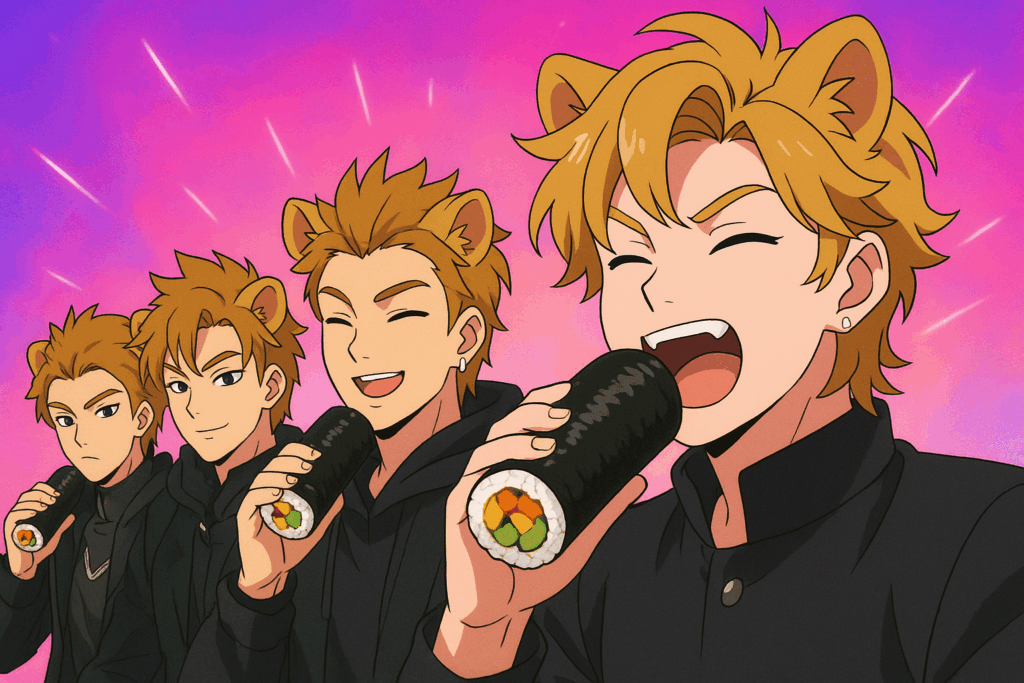
      In the global hit “K-pop Demon Hunters (케이팝 데몬 헌터스)”, a simple roll of Kimbap appeared in a powerful scene — representing togetherness and hope amidst chaos.
      It wasn’t just a prop. It was a symbol of resilience, nostalgia, and humanity.

      Just like Kimbap, K-pop Demon Hunters embodies the Korean spirit — warm, emotional, and deeply creative. Kimbap connects people across tables, just as K-pop Demon Hunters connects hearts across cultures.


      🍱 How to Make Kimbap at Home (Simple Recipe)

      Making Kimbap at home is surprisingly easy — and the result is as satisfying as it is beautiful.

      🧂 Ingredients (for 2 rolls)

      • 2 sheets of roasted seaweed (김)
      • 2 cups cooked rice
      • 1 tbsp sesame oil
      • 1 tsp salt
      • 2 eggs (beaten, cooked thin, and sliced)
      • ½ carrot (julienned and sautéed)
      • 1 cucumber (cut into strips)
      • Pickled radish (단무지), long strips
      • 2 slices of ham or crab sticks
      • Handful of spinach (blanched and seasoned with salt + sesame oil)

      🍴 Instructions

      1. Prepare rice: Mix rice with sesame oil and salt. Cool slightly.
      2. Cook fillings: Make egg omelet, sauté carrot, and season spinach.
      3. Lay seaweed: Shiny side down on bamboo mat.
      4. Spread rice: Thin layer of rice, leaving 2 cm at top.
      5. Add fillings: Arrange horizontally across the rice.
      6. Roll: Use the bamboo mat to roll tightly, pressing gently.
      7. Finish: Brush with sesame oil, sprinkle sesame seeds, and slice.

      💡 Tip: Kimbap tastes best freshly made — perfect for picnics or quick lunches.


      🥢 Kimbap Is More Than Food

      Every Kimbap roll carries a piece of Korean life — family mornings, school trips, or quiet train rides.
      It represents togetherness, creativity, and care.

      Kimbap mirrors modern Korea: deeply traditional, yet endlessly innovative.
      From K-pop to Kpop demon hunters, Korea continues to inspire — and Kimbap is its flavorful ambassador to the world.


      🔥 Next on the Menu: Tteokbokki (떡볶이) — The Spicy Soul of Korea

      If Kimbap is the heart of Korean comfort, Tteokbokki is the fire that ignites it.
      In the next post, we’ll explore how this spicy rice cake dish became the symbol of Korean street food passion, and why it’s the perfect partner to Kimbap.


    • #4 Exploring Itaewon(이태원) — A Complete Seoul Travel Guide Inspired by KPOP DEMON HUNTERS

      #4 Exploring Itaewon(이태원) — A Complete Seoul Travel Guide Inspired by KPOP DEMON HUNTERS


      🎶 Exploring Itaewon — Seoul’s Ultimate Travel Guide with KPOP DEMON HUNTERS Vibes

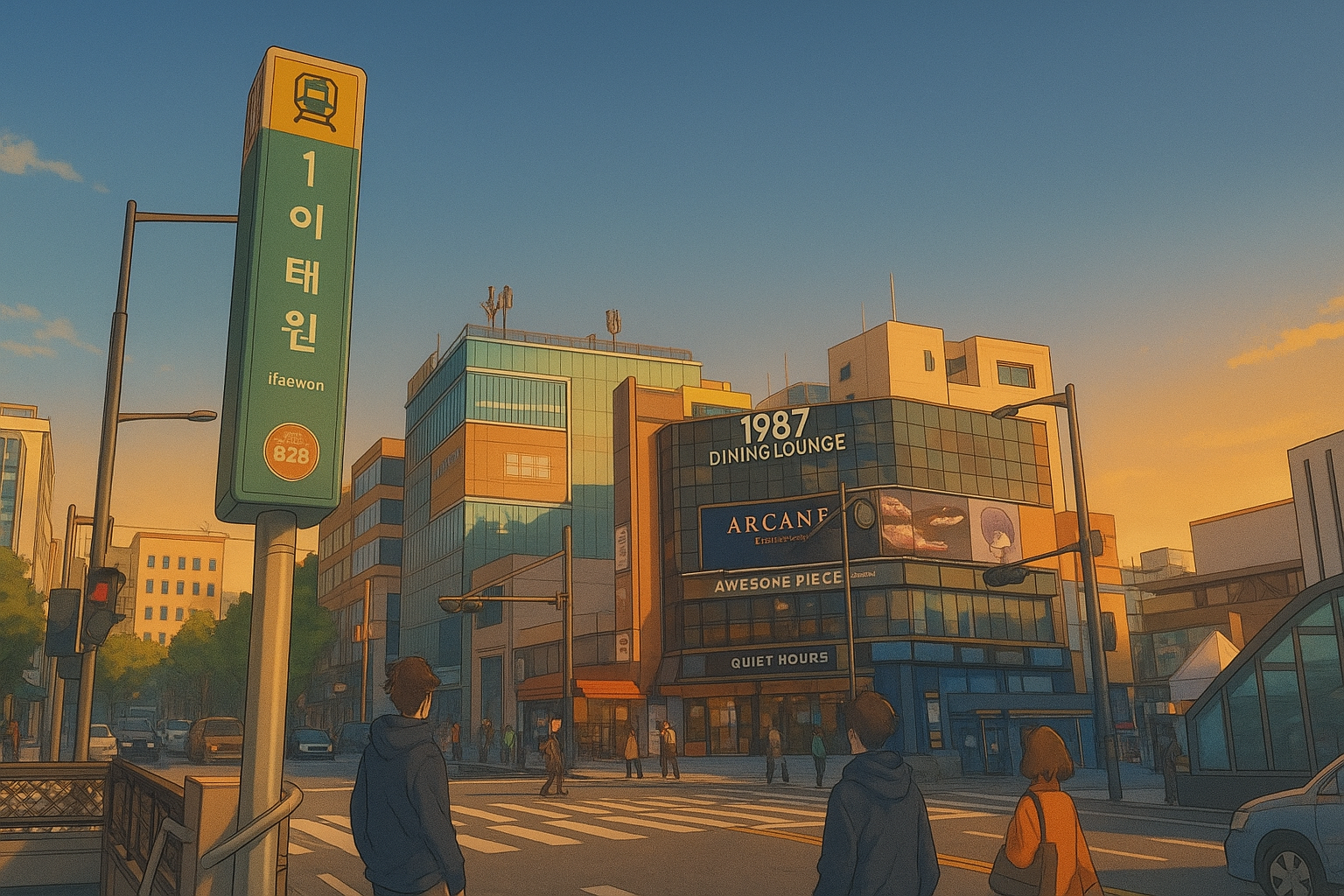
      Itaewon (이태원) is one of Seoul’s most iconic neighborhoods — a place where the city’s global soul meets modern Korean culture.
      From world cuisines and indie boutiques to rooftop bars and neon-lit streets, Itaewon is a microcosm of Seoul’s diversity.

      And if you’ve watched KPOP DEMON HUNTERS, you might recognize some familiar vibes —
      the glowing alleys, the music, and that sense of unstoppable freedom.


      🌍 What Makes Itaewon Special

      Located in Yongsan-gu, Seoul, Itaewon has evolved into a cultural crossroads where locals, expats, and travelers blend seamlessly.
      Its streets are lined with restaurants from every continent, vintage shops, and art galleries —
      making it one of the most dynamic and inclusive districts in Korea.

      By day, it’s filled with cozy cafés and boutique stores;
      by night, the streets transform into a dazzling world of lights, music, and global energy —
      a true reflection of Seoul’s rhythm.


      🕐 One-Day Itaewon Itinerary

      ☀️ Morning — Brunch & Coffee with a View

      Start your morning slow, with fresh bread and roasted coffee.

      • The Bakers Table — German-style brunch café famous for its fresh pastries.
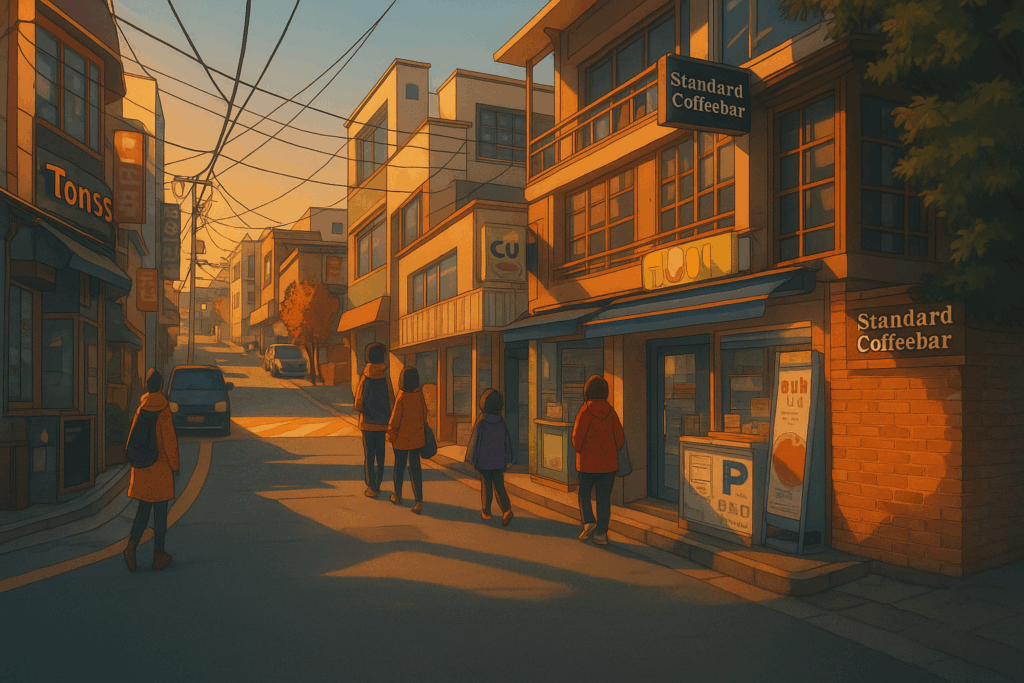
      • Standard Coffee Bar — Minimalist café with sunlight pouring through large windows, ideal for a peaceful morning start.

      🌇 Afternoon — Explore, Shop & Wander

      Take a leisurely walk through Itaewon’s creative alleys.

      • Antique Furniture Street — Rows of vintage stores and European-style décor shops.
      • Gyeongnidan-gil & Haebangchon — Bohemian neighborhoods filled with indie boutiques and hidden cafés.
      • Hamilton Hotel Street — A lively stretch lined with fashion stores and pop-up shops.

      🌃 Evening — Food, Music & Nightlife

      When night falls, Itaewon truly comes alive.
      It’s where music, flavors, and friendships meet.

      • Vatos Urban Tacos — Korean-Mexican fusion with a KPOP flair.
      • Linus BBQ — Authentic Southern-style barbecue with Korean soul.
      • Plant Café Seoul — Vegan-friendly, modern, and relaxing.
      • Karaoke Street (노래방 거리) — End your night singing your favorite KPOP hits!

      💃 KPOP DEMON HUNTERS Spots in Itaewon

      Fans of KPOP DEMON HUNTERS will love discovering the real-world inspirations behind its electric cityscapes:

      • Gyeongnidan-gil — A stylish street filled with neon cafés and murals that echo the show’s urban energy.
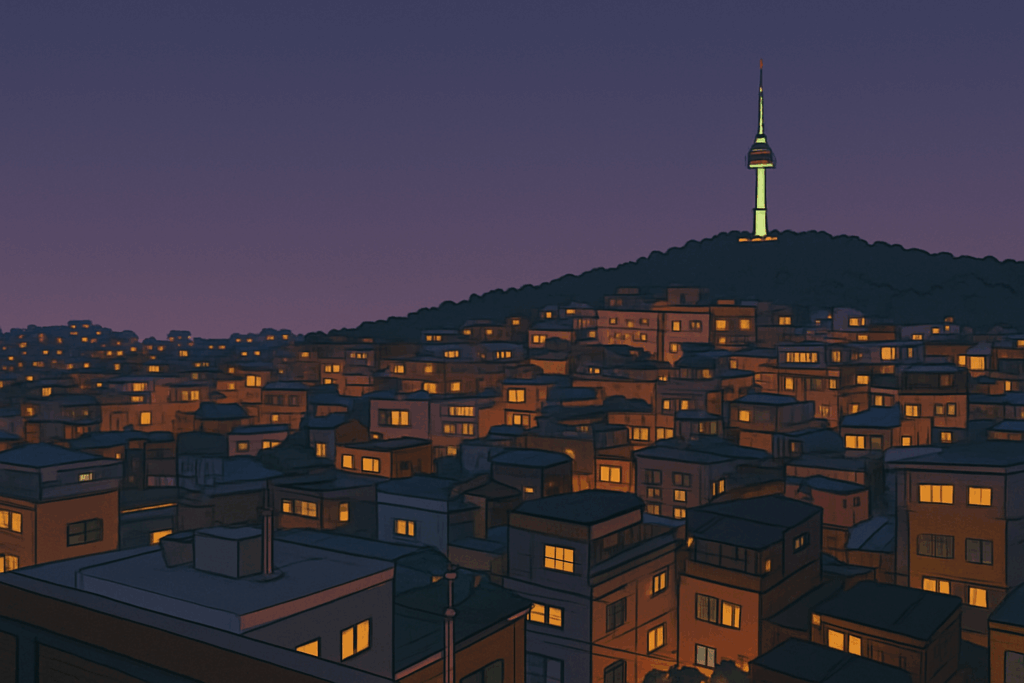
      • N Seoul Tower (N서울타워) — Featured as a symbolic skyline shot, offering a panoramic night view of Seoul.
      • Haebangchon — Known for indie art galleries and street murals; a top fan photo zone inspired by the series.

      🍽️ Top 5 Itaewon Restaurants Loved by Travelers

      1. Vatos Urban Tacos – Signature fusion restaurant blending Mexican spice with Korean zest.
      2. Plant Café Seoul – Famous for its vegan menu and healthy lifestyle vibe.
      3. Linus BBQ – A must-visit for meat lovers; authentic U.S. barbecue.
      4. Coreanos Kitchen – Korean-Mexican fusion with a spicy kick.
      5. The Flying Pan Blue – Brunch favorite among expats and locals alike.

      🎇 Why Itaewon Captures Seoul’s Spirit

      Itaewon is more than a neighborhood — it’s a celebration of freedom, creativity, and connection.
      It embodies everything that makes Seoul vibrant:
      diversity, openness, and a constant rhythm of reinvention.

      If you’re looking for a place that blends KPOP culture, international energy, and Seoul’s authenticity,
      Itaewon is your ultimate destination.
      Every corner, every melody, every light feels like a scene straight out of KPOP DEMON HUNTERS.

      So gear up, step into the city, and start your own Seoul adventure.


      📢 Related Posts (Internal Links)


      ✨ Summary :

      Discover Itaewon, Seoul’s international hub of food, fashion, and freedom.
      Follow the KPOP DEMON HUNTERS vibe through the best cafes, restaurants, and nightlife spots in Seoul’s most diverse neighborhood.

    • #3 Exploring Gangnam Station like a K-POP Demon Hunter — A Complete Guide to Seoul’s Trendiest District

      #3 Exploring Gangnam Station like a K-POP Demon Hunter — A Complete Guide to Seoul’s Trendiest District


      Meta Description:
      Dive into Seoul’s vibrant Gangnam Station area — discover K-POP style hotspots, unique restaurants, and fun things to do through the lens of the Demon Hunters world.


      🏙️ Gangnam Station, Seoul — The Heart of Trend & Energy

      Gangnam Station (Line 2 / greater Gangnam area) is one of Seoul’s busiest and most iconic districts.
      It’s where music, nightlife, and youth culture merge — a real-life stage for the K-POP Demon Hunters universe.

      SEO Keywords: Gangnam Station travel, Seoul tourism, KPOP Demon Hunters, Gangnam hot spots

      At night, neon lights illuminate the streets, creating the perfect cinematic backdrop — half reality, half fantasy.


      🌆 1. The Streets Around Gangnam Station — Where Light Meets Rhythm

      Walking out of Gangnam Station feels like stepping into a K-POP music video — glowing signs, crowds, and a pulse that never fades.

      📍 Highlights

      • Gangnam Underground Shopping Center — over 200 boutiques and K-style accessory shops.
      • Gangnam-daero Street (Exit 10~11) — lined with restaurants, cosmetics stores, and nightlife spots.
      • Sinnonhyeon Café Street — cozy and photogenic cafés for a calm mission debrief.

      💡 Tip: Exit 10 offers one of the best views at dusk — perfect for your “Demon Hunter briefing” moment.


      🍽️ 2. Recharge Zones – Best Eats in Gangnam

      Fuel up like a K-POP Demon Hunter at these must-try spots.

      🔥 Ruby (Hip Izakaya)

      • 📍 Location: Exit 11, Gangnam Station
      • 🍸 Vibe: Dark lighting, Japanese tapas, and cocktails — ideal for team debriefs
      • 💬 Recommended Menu: Yuzu-soju, taco-wasabi, sashimi platter
      • 🏷️ Keywords: Gangnam izakaya, Gangnam nightlife, date spots

      🍖 Saemaeul Sikdang (Korean BBQ Headquarters)

      • 📍 Location: Exit 9, Gangnam Station
      • 🥩 Vibe: Local Korean BBQ with strong flavors and friendly chaos
      • 💬 Recommended Menu: 7-minute pork kimchi, pork neck BBQ
      • 🏷️ Keywords: Korean BBQ Gangnam, local food Seoul, KFOOD experience

      🧋 Gong Cha Gangnam (Sweet Recovery)

      • 📍 Location: Exit 12, Gangnam Station
      • 🍹 Vibe: Bubble tea and chill atmosphere for after-mission downtime
      • 💬 Recommended Menu: Black milk tea with pearls
      • 🏷️ Keywords: Gangnam cafe, dessert in Seoul, bubble tea shop

      🎧 3. K-POP & Fun Activities in Gangnam

      Gangnam is not only a shopping and food district — it’s the spiritual home of K-POP.

      🎤 SMTOWN & STORE (Coex Mall)

      • 📍 Location: Coex, near Samsung Station
      • 💿 What to Expect: Official SM Entertainment merch, photo zones, and immersive experiences
      • 🏷️ Keywords: KPOP store Seoul, Coex KPOP, idol culture Korea

      🧩 Master Key Escape Café

      • 📍 Location: Exit 4, Gangnam Station
      • 🔐 Experience: A thrilling escape-room adventure that feels like a real Demon Hunter mission
      • 🏷️ Keywords: escape room Seoul, things to do Gangnam

      🌊 Coex Aquarium

      • 📍 Location: Coex Mall, Samsung Station
      • 🐠 Vibe: Magical underwater world perfect for unwinding
      • 💬 Best Time: After 7 PM — soft lights and calm ambience
      • 🏷️ Keywords: Coex Aquarium, family attractions Seoul

      🌙 4. Photo-Worthy Spots — Capture Your Gangnam Mission

      Top Instagrammable Places in Gangnam:

      1. LED-lit street near Exit 11
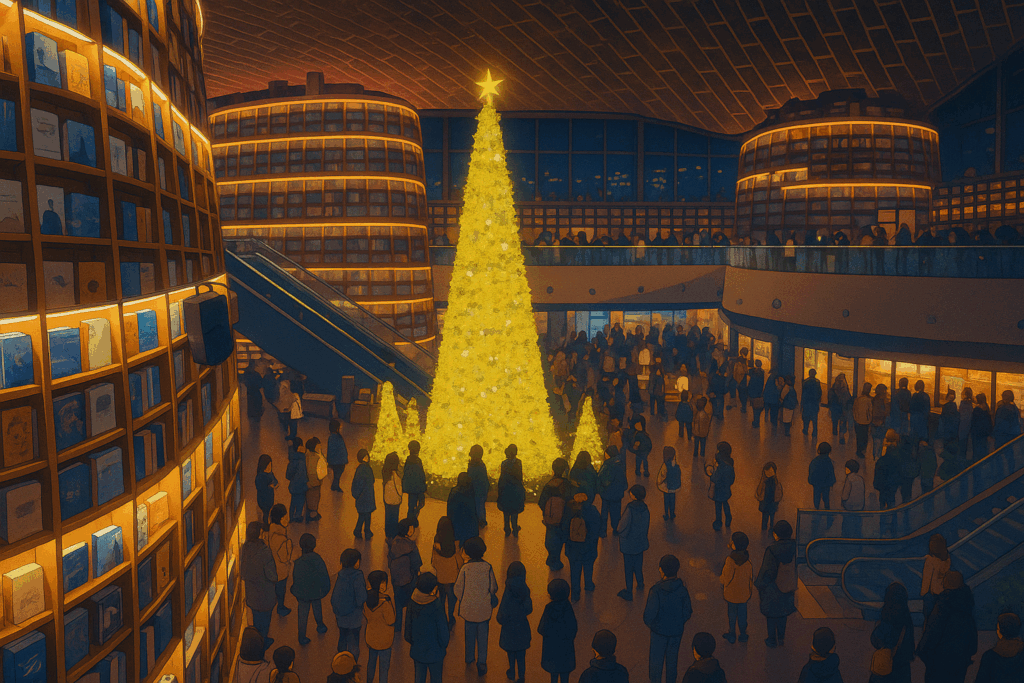
      2. Starfield Library (Coex Mall) — iconic book tower under golden light
      3. Rooftop café Pensee in Nonhyeon-dong

      🧭 5. Gangnam Travel FAQ (for Google Rich Results)

      Q1. What are the best places for tourists near Gangnam Station?
      A. Starfield Library, Coex Mall, SMTOWN & STORE, and Master Key Escape Café are must-visit.

      Q2. Can I find K-POP experiences in Gangnam?
      A. Yes! Visit SMTOWN & STORE or HYBE Insight for full K-POP immersion.

      Q3. What’s good to do at night in Gangnam?
      A. Explore Gangnam-daero, visit Ruby Izakaya, or enjoy Coex’s evening atmosphere.


      🎯 Final Mission — Become a Demon Hunter in Gangnam

      Gangnam isn’t just a neighborhood — it’s a living K-POP stage.
      From neon-lit streets to the rhythm of city life, the Demon Hunters’ Seoul awaits.
      Step into the energy, capture the vibe, and let your own Gangnam story unfold.


    • #2 Discovering Hongdae Street (홍대 거리) Through the World of K-POP: Demon Hunters

      #2 Discovering Hongdae Street (홍대 거리) Through the World of K-POP: Demon Hunters

      If you want to experience the youthful vibe of Seoul, Hongdae Street (홍대 거리) is the place to be. Centered around Hongik University (홍익대학교), this area is a paradise for K-pop fans as well as art, music, and fashion enthusiasts. The street seamlessly blends music, street performances, independent brands, and cafe culture, making it a perfect destination to spend an entire day.

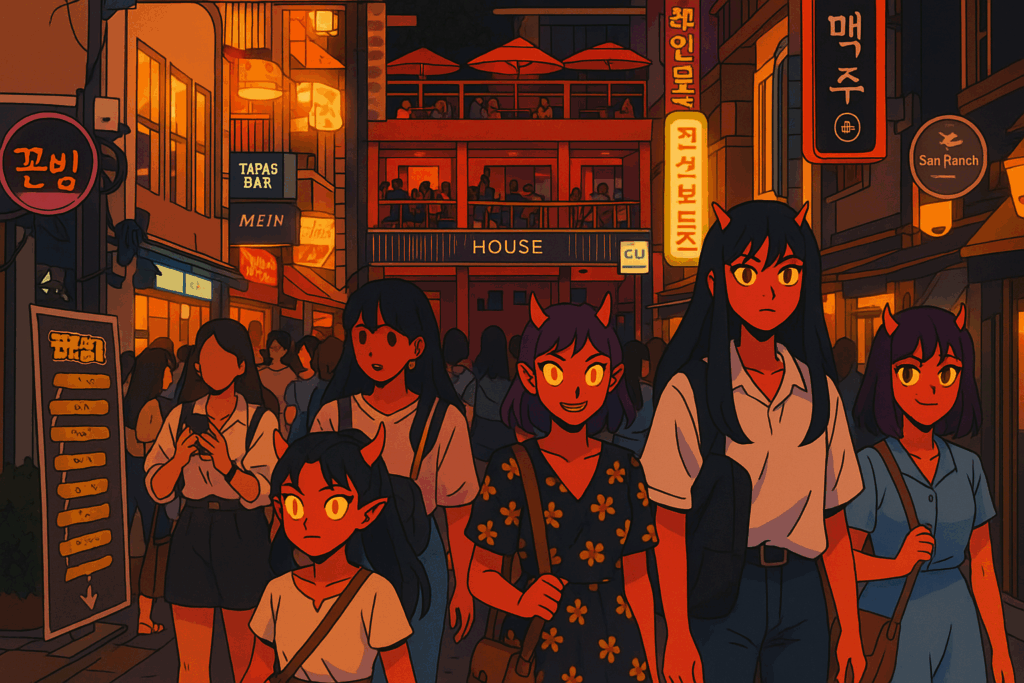
      Recently, the Netflix animation K-POP: Demon Hunters (케이팝: 데몬 헌터스) has featured Hongdae (홍대) as one of its key locations, giving fans a new perspective on Seoul’s vibrant streets. The film follows the story of a fictional K-pop girl group, HUNTRIX (헌트릭스), as they battle the demon boy band Saja Boys (사자보이즈). Some of the most memorable action sequences take place along Hongdae Street (홍대 거리), showcasing its lively atmosphere, street performers, and urban aesthetic.

      🎬 Movie Scenes Set in Hongdae (홍대)

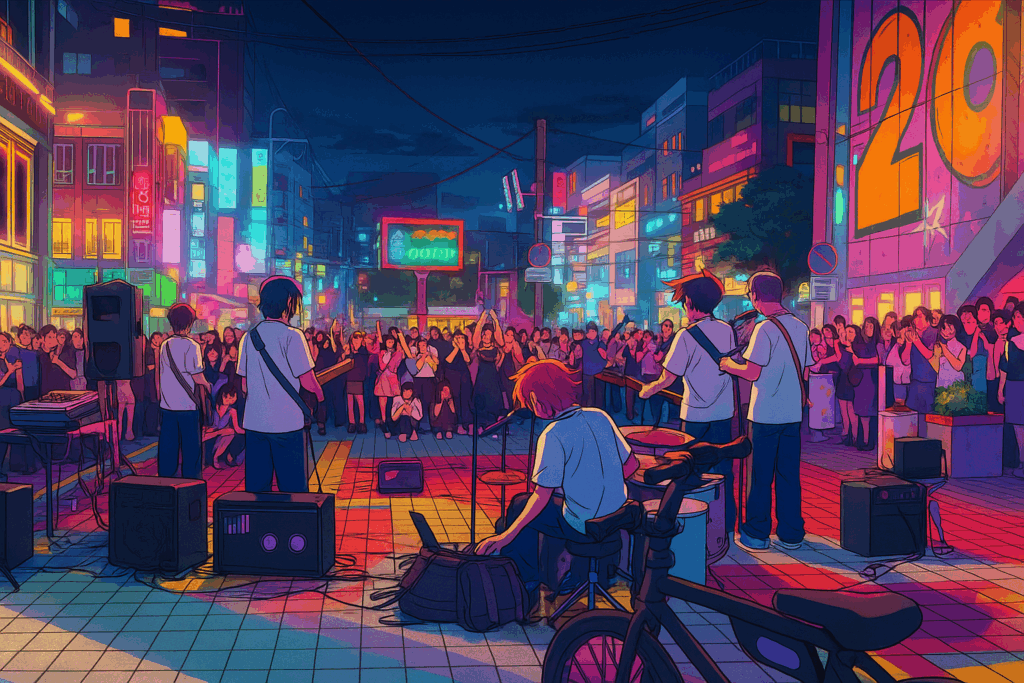
      In K-POP: Demon Hunters (케이팝: 데몬 헌터스), the opening sequence captures the bustling energy of Hongdae (홍대) with street performers, neon lights, and crowds of fans. Watching these scenes gives viewers a sense of being in a live K-pop concert on the streets. You can actually visit the locations depicted in the film to experience the same vibe firsthand.

      🏙️ Key Spots to Explore in Hongdae

      • Walking Street : This lively area is filled with shops, cafes, and street performances, perfectly mirroring the scenes from the movie.
      • Indie Club Street : Known for live indie band performances, this street brings the music scenes from the movie to life.
      • Yeonnam-dong Cafe Street: A neighborhood of aesthetically designed cafes and dessert shops, reminiscent of the scenes where the characters take a break in the film.

      ☕ Cafes and Desserts in Hongdae

      Experience the cafe culture and sweets featured in the film:

      • Winter’s Village (윈터스 빌리지): A dog cafe in Hongdae where you can enjoy coffee alongside adorable Samoyeds.
      • Kaymak Dessert Cafe / Miikflo : Famous for its cat-shaped milk pudding smoothie, located between Hongdae and Yeonnam-dong .
      • Cong Caphe : A Vietnamese-style cafe serving traditional coconut coffee, providing a unique taste experience.
      • Sulbing : Known for Korean-style shaved ice desserts , perfect for a sweet treat while exploring the streets.
      • Osulloc Tea House : Offers premium green tea desserts in a calm and aesthetically pleasing setting.

      🍽️ Food and Dining in Hongdae

      Savor local flavors (음식점) inspired by the movie scenes:

      • Hongdae Tteokbokki Alley : Famous for spicy rice cakes and fried snacks , echoing the street food moments from the film.
      • Musoe Kimchi Samgyeop : A traditional Korean BBQ restaurant serving grilled pork belly with kimchi, beloved by locals.
      • Sherwood : An Italian-style pizzeria popular for its unique white sauce pizzas, ideal for group dining.

      🎶 Music & Live Performances

      The soundtrack of K-POP: Demon Hunters features real K-pop artists. Notably, TWICE contributed to the OST, making it a hit among fans. By October 2025, the group will also perform in the Oakland Arena, USA, reflecting the global appeal of the film and its music.

      🧭 Travel Tips for Hongdae

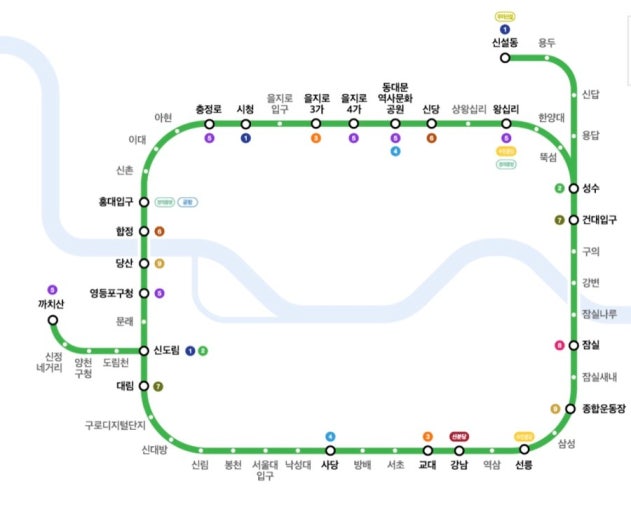
      • Transportation : Take Seoul Subway Line 2 to Hongdae Entrance Station for easy access to the street.
      • Best Time to Visit : Explore shops and cafes during the day, and enjoy street performances and live clubs at night.
      • Souvenirs : Check out local shops for K-pop and movie-related merchandise.

    • #1 K-POP Demon Hunters and the New Wave of Hallyu : The Magic of Traveling in Korea

      #1 K-POP Demon Hunters and the New Wave of Hallyu : The Magic of Traveling in Korea


      Korea Kicks #1

      K-POP Demon Hunters and the New Wave of Hallyu (한류): The Magic of Traveling in Korea

      Meta Description:
      The global sensation K-POP Demon Hunters (released June 20, 2025) has reignited the Hallyu (한류) wave. Discover how this hit animated musical inspires travelers worldwide to experience the real Korea (한국) — from Hongdae (홍대) to Gangnam (강남) and Itaewon (이태원).


      🌏 The Global Rise of K-POP Demon Hunters

      K-POP Demon Hunters의 전세계적 인기

      The world is once again turning its eyes to Korea (한국) — in part because of the 2025 animated musical K-POP Demon Hunters (released June 20, 2025). The film’s mix of K-pop energy, cinematic animation, and a globally charting soundtrack has turned casual viewers into curious travelers dreaming of visiting Korea.
      “This isn’t just an animation. It makes me want to feel the real Korea.”

      That fan comment perfectly captures the magic of K-POP Demon Hunters:
      it’s transforming global curiosity about K-pop (케이팝) into a desire to experience Korea in person.


      💫 A New Chapter of Hallyu (한류의 새로운 장)

      The Hallyu (한류, Korean Wave) has evolved — from K-pop and dramas to fashion, gaming, animation, and now, travel. K-POP Demon Hunters fuses the rhythm of K-pop (케이팝) with Korean storytelling (한국적 스토리텔링), inviting fans to step into the streets and emotions of modern Korea (현대 한국).

      Places like Hongdae (홍대), Gangnam (강남), and Itaewon (이태원) have become living stages,
      where fans can re-create moments from the film and experience the culture that inspired it.


      🎶 Why Traveling to Korea

      Through K-POP Demon Hunters, global audiences are rediscovering that Korea’s charm goes beyond pop culture.
      It’s in the K-pop beats echoing through Seoul’s (서울) streets,
      the late-night cafés and street shows of Hongdae (홍대),
      and the vibrant, trendsetting rhythm of Gangnam (강남).

      This is the heartbeat of Hallyu (한류의 심장), and the soul of Korean travel (한국 여행) today.


      🏙️ Must-Visit Seoul (서울) Spots for K-POP Demon Hunters Fans

      In the next Korea Kicks feature, we’ll explore the top 3 real-life Seoul (서울) destinations every K-POP Demon Hunters fan should visit:

      • 🎧 Hongdae (홍대) – Youthful music, street performance, indie culture.
      • 💎 Gangnam (강남) – The stylish, modern heart of K-pop (케이팝) culture.
      • 🌈 Itaewon (이태원) – A multicultural district of creativity and nightlife.

      These three areas remain Seoul’s most vibrant and visited neighborhoods in 2025.


      ✈️ Exploring the Real Korea with Korea Kicks

      At Korea Kicks, our journey begins with K-POP Demon Hunters,
      but it extends into the everyday life that defines modern Korea.
      We’ll take you through music (음악), food (음식), fashion (패션), and street life (거리 문화)
      the real heartbeat of Hallyu (한류).