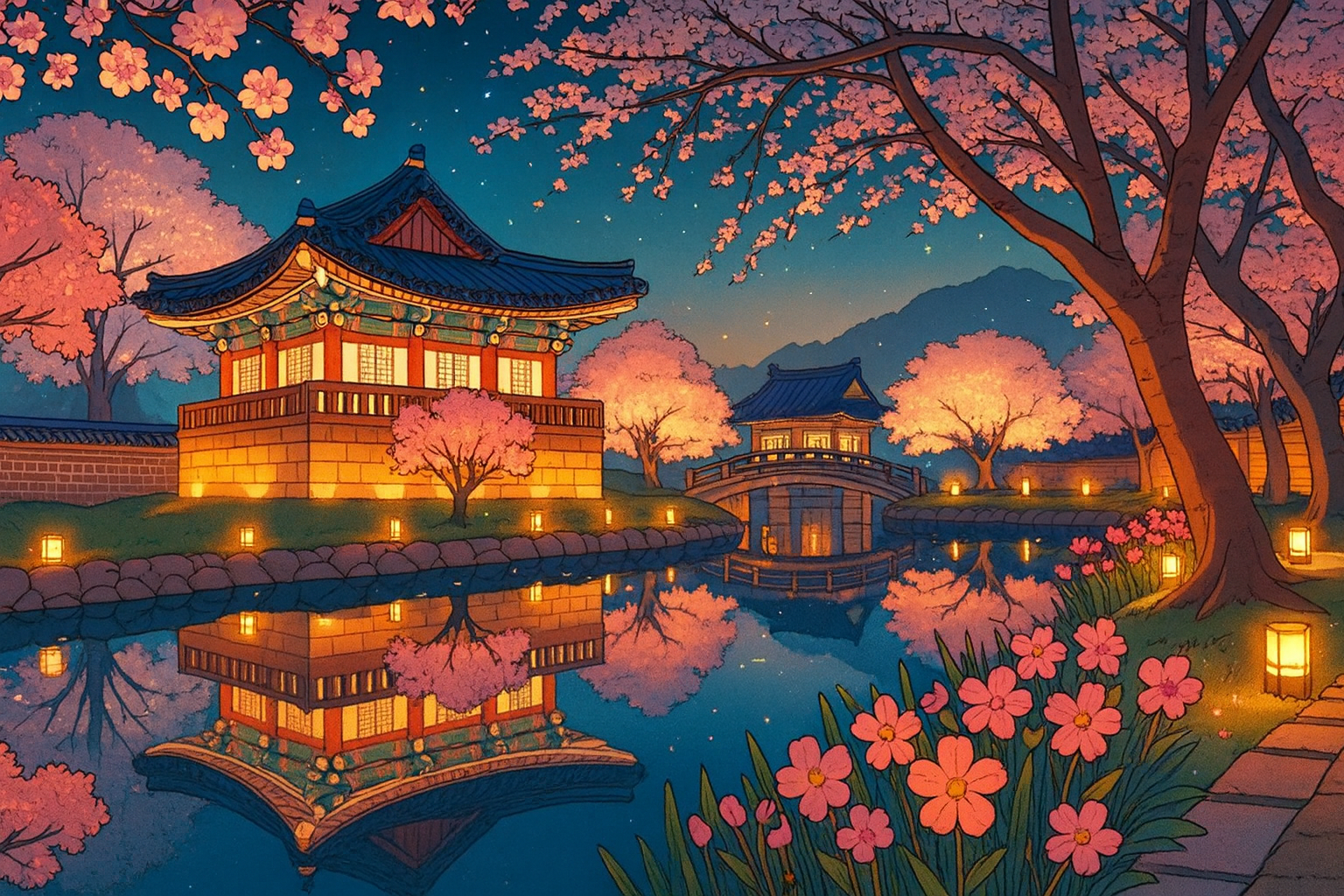
Gyeongju(경주), often called the “museum without walls,” is one of the most historically significant cities in South Korea. As the capital of the Silla Kingdom(신라)for nearly 1,000 years, the entire city is filled with cultural heritage sites, ancient tombs, temples, and beautifully preserved architecture. Today, Gyeongju blends its rich past with modern cafés, trendy streets, and unique culinary experiences, making it one of the most recommended destinations for both local and international travelers.
This guide covers must-visit attractions, historical insights, hands-on activities, local foods & street snacks, and an expanded look at the city’s trendiest hotspot: Hwangnidan-gil(황리단길).
🏛️ 1. Must-Visit Attractions in Gyeongju & Their Historical Background
1) Bulguksa Temple (불국사)

A UNESCO World Heritage Site representing the peak of Silla-era Buddhist architecture. Built in the 8th century, it features the famous Seokgatap and Dabotap pagodas—masterpieces of Korean stone craftsmanship.
Best time to visit: Cherry blossom season or autumn foliage.
2) Seokguram Grotto (석굴암)
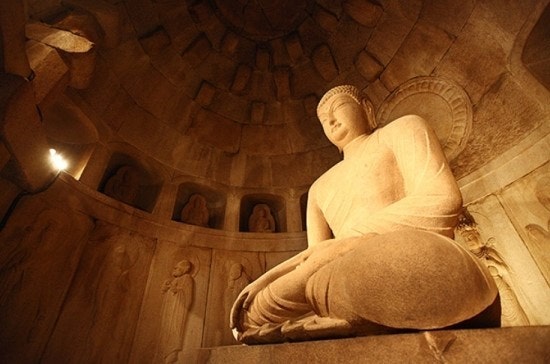
A remarkable artificial stone grotto housing a magnificent seated Buddha looking toward the East Sea. Completed in 774, it symbolizes Buddhist paradise and showcases the height of Silla artistry.
3) Daereungwon Tomb Complex (대릉원)(Cheonmachong Tomb (천마총))
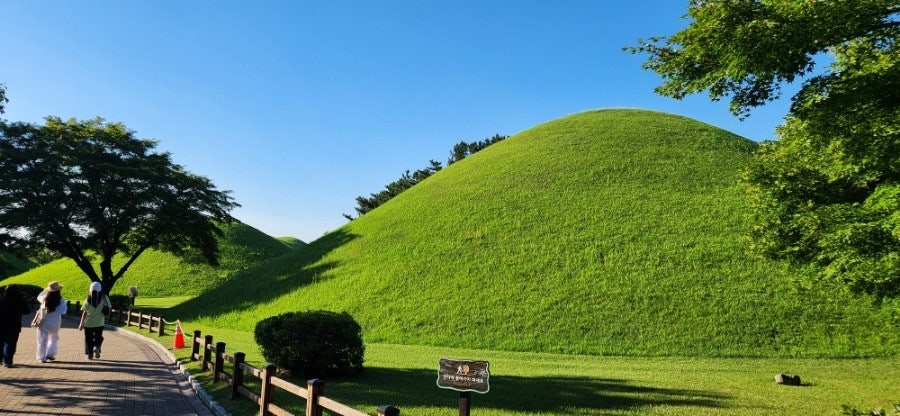
This iconic complex features royal Silla tombs shaped like green mounds. Inside Cheonmachong, visitors can view replicas of gold crowns, royal accessories, and Silla-era artifacts.
4) Donggung Palace & Wolji Pond (동궁 & 월지)
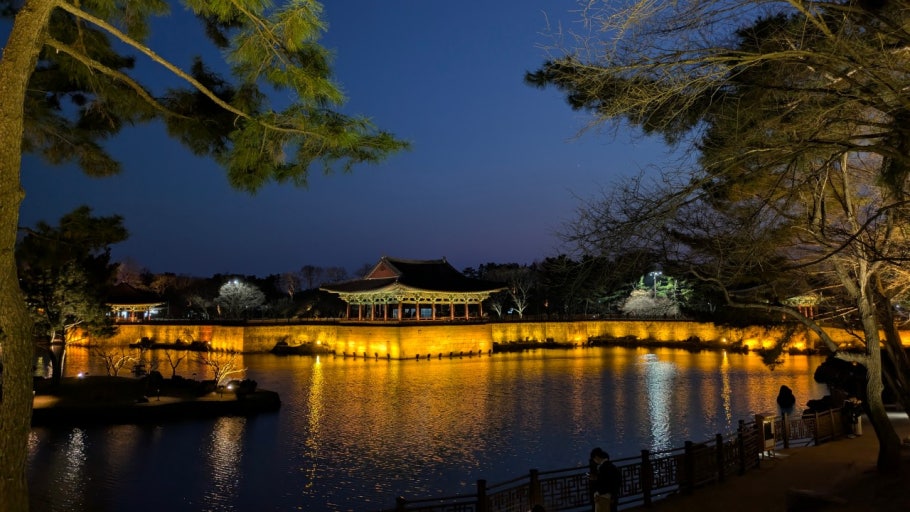
Originally used for royal banquets and celebrations, this picturesque spot offers one of the most stunning night views in Korea with buildings reflecting beautifully on the pond.
5) Cheomseongdae Observatory (첨성대)
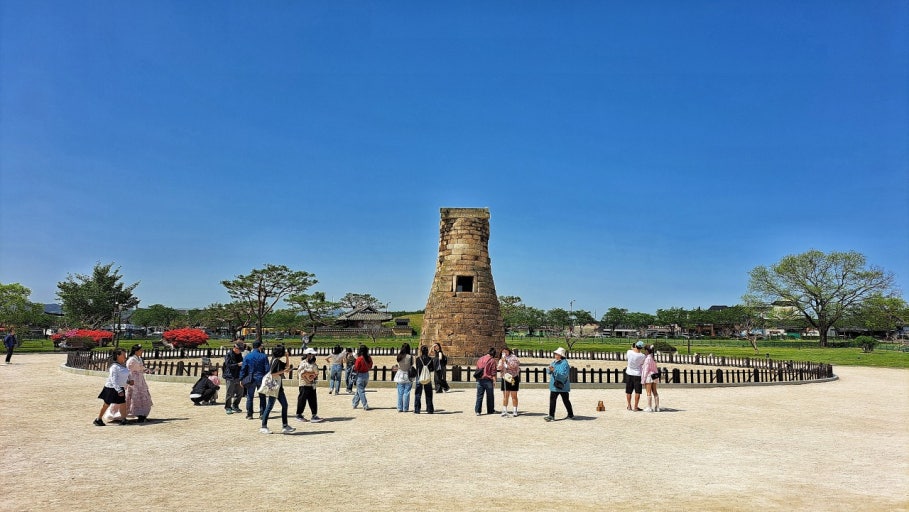
Built during the 7th century, Cheomseongdae is Asia’s oldest surviving astronomical observatory. At night, it becomes a glowing landmark perfect for photography.
6) Woljeonggyo Bridge (월정교)
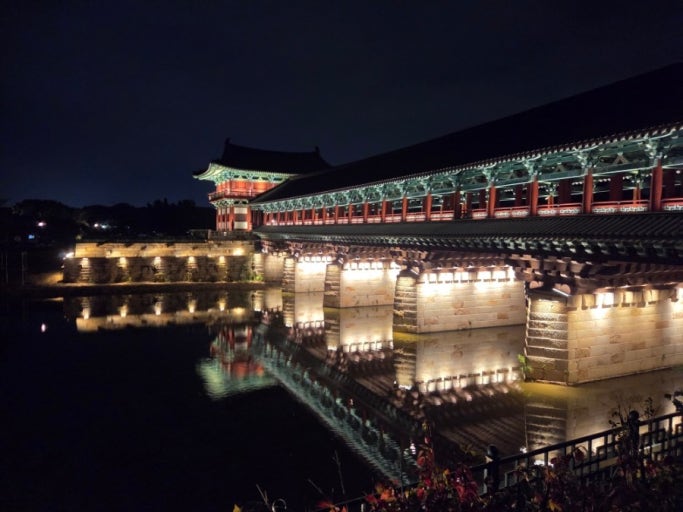
A reconstructed Silla dynasty bridge known for its striking red pillars and elegant architecture—particularly beautiful at sunset or nighttime.
7) Bomun Tourist Complex (보문관광단지)

A scenic lakeside resort area offering walking trails, cafés, bike rentals, and seasonal festivals, ideal for families and couples.
🎨 2. Unique Experiences in Gyeongju
• Hanbok (한복) Rental & Historical Stroll
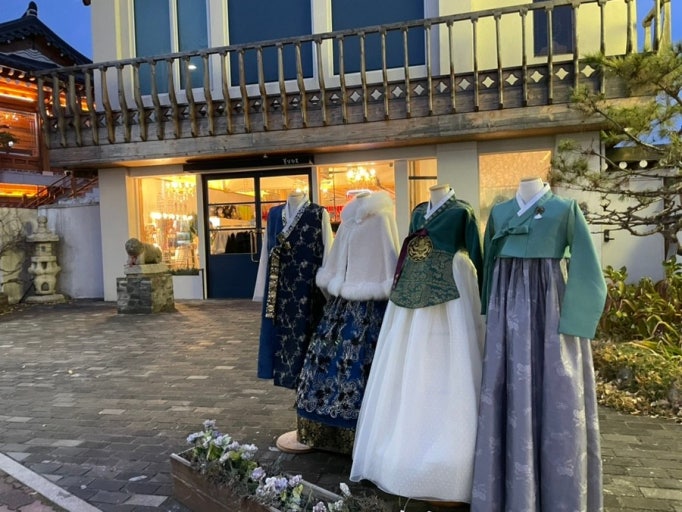
Explore Daereungwon, Woljeonggyo, or Hwangnidan-gil in traditional Korean attire for memorable photos.
• Cycling at Bomun Lake (보문호)
A peaceful lakeside cycling route with easy rentals available.
• National Museum of Gyeongju
Home to iconic relics such as the Emille Bell, Silla crowns, and ancient stones.
• Traditional Tea Houses & Pottery Workshops
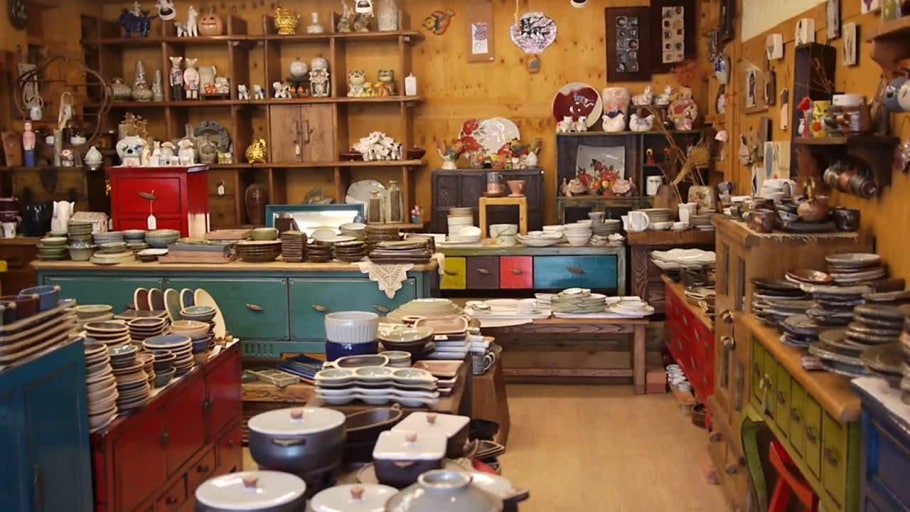
Enjoy Korean herbal teas or try hands-on pottery experiences inspired by traditional ceramics. You can also experience to make pottery.
🍜 3. What to Eat in Gyeongju
⭐ Signature Gyeongju Foods
• Hwangnam Bread (황남빵)

Soft pastry filled with red bean paste, a must-buy Gyeongju specialty. (recommend the place named Hwangnam Ppang(황남빵) at 경북 경주시 태종로 783 (783 Taejong-ro, Gyeongju-si)
• Gyeongju Barley Bread (경주 찰보리빵)
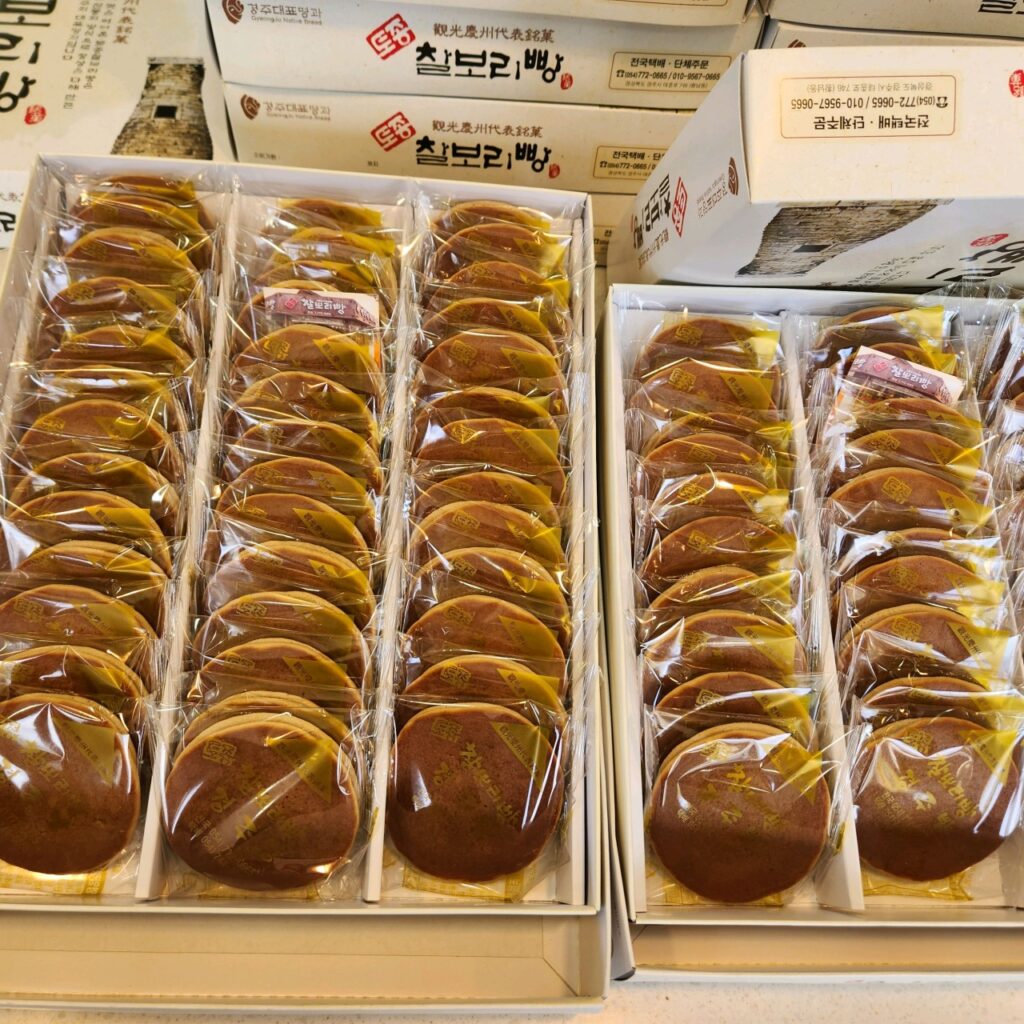
Light, chewy traditional pastry perfect with coffee. (recommend the place named Tojong Chalbori Ppang Gyeongju Ppang Hwangnam bonjeom (토종 찰보리빵 경주빵 황남본점) at 경북 경주시 태종로 746 (746 Taejong-ro, Gyeongju-si)
• Bulgogi Alley (Hwangseong-dong) (불고기 거리)
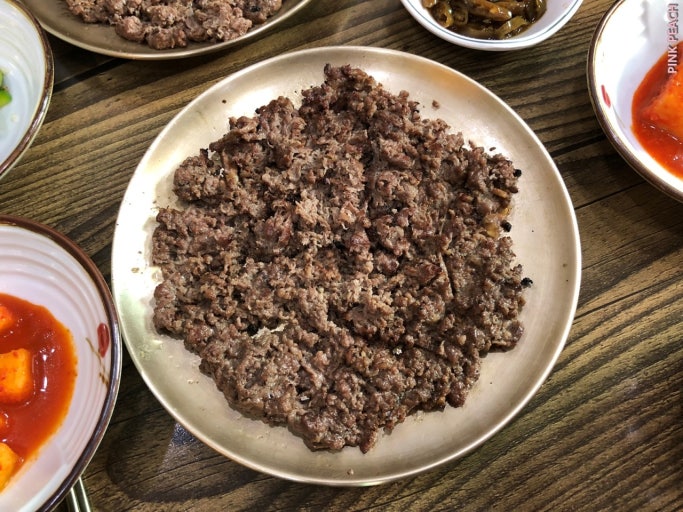
A famous cluster of restaurants offering sweet, savory, Silla-style bulgogi (불고기) grilled on dome-shaped pans. It is also good for foreigners, because of the taste; salty and sweet, not spicy. And recommend to eat with korean style steamed rice.
• Traditional Korean Set Meals (Hanjeongsik)(한정식)

Available especially around Gyochon Village and central Gyeongju. Hanjeongsik(한정식) is the way of koreans eatting meals everyday in lives, and the style is to eat steamed rice, soup and bunch of sidedishes and one or more main dishes. Korean People eat at home like this way, of course little less side dishes, however, in Gyeongju area, you can find lots of Korean traditional hanjeongsik style restaurant. Of course you can find all around Korea, but as this place is korean traditional place, it is recommended to eat this area style Hanjeongsik.
🍢 4. Gyeongju Street Food Must-Tries
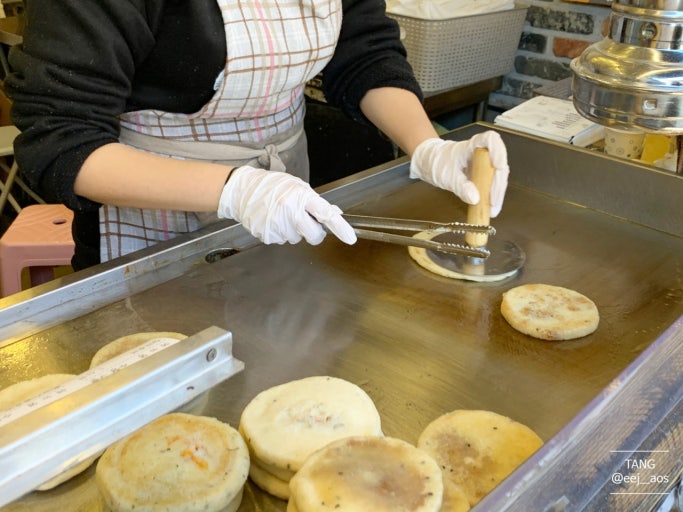
- Hotteok (sweet pancake 호떡)
- Cheese croquettes
- Traditional tteokbokki & twigim
- Dalgona (sugar candy)
- Handmade fruit ice cream
- Cotton candy & puffed rice snacks
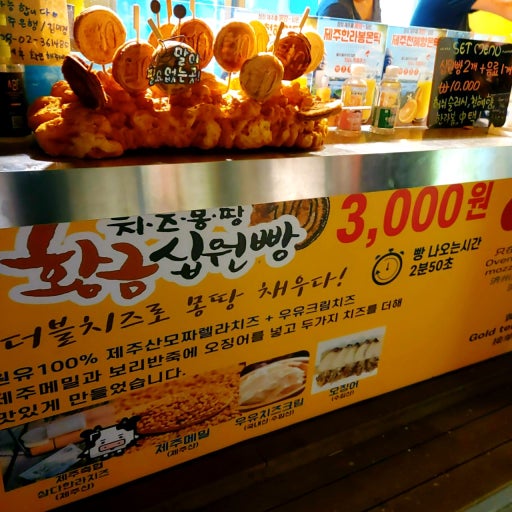
🌟 5. Deep Dive: Hwangnidan-gil — Gyeongju’s Trendiest Hotspot
Hwangnidan-gil (황리단길) is one of the most Instagram-famous streets in South Korea. Located near Daereungwon Tomb Complex, this charming neighborhood blends traditional hanok architecture with modern cafés, boutique shops, and creative restaurants.
Below is a full breakdown of what you’ll find in Hwangnidan-gil.
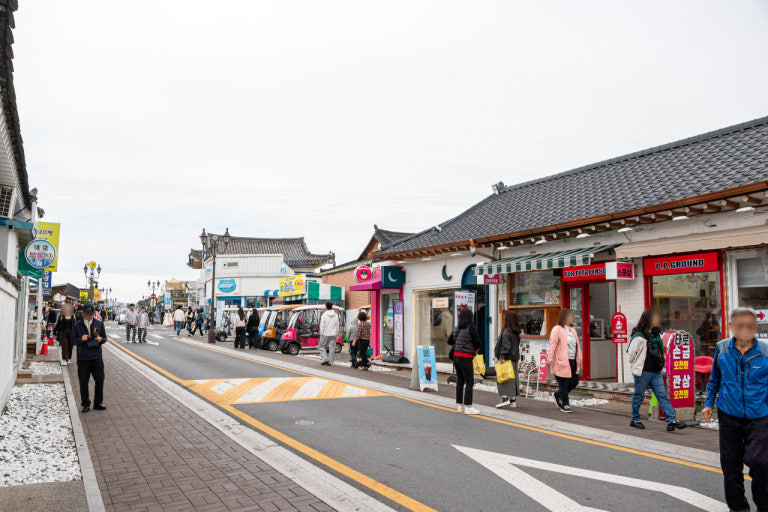
🏘️ 1) Unique Atmosphere & Street Vibes
- Renovated hanok-style buildings
- Vintage alleys and curated lifestyle shops
- Warm evening lighting and lanterns
- Street murals and creative storefronts
- A balanced mix of history and contemporary culture
☕ 2) Best Cafés in Hwangnidan-gil
Hanok-style cafés
Serving:
- Omija tea
- Citron tea
- Injeolmi desserts
- Traditional rice cakes
- Mugwort tarts
Modern dessert cafés
Featuring:
- Cheesecake
- Matcha cakes
- Macarons
- Croffles
- Fruit tarts
Specialty coffee houses
Perfect for coffee enthusiasts seeking single-origin beans or hand-drip brews.
Rooftop cafés
Offering panoramic views of Gyeongju’s old town and mountains.
🍱 3) Popular Restaurants in Hwangnidan-gil
Modern Korean dining
Creative takes on bibimbap, bulgogi, grilled dishes, and set meals.
Fusion cuisine
Korean-Italian pasta, truffle bibimbap, spicy cream udon, or steak bowls.
Hanok BBQ restaurants
Traditional interiors with premium beef and pork options.
Vegan / plant-based restaurants
Serving grain bowls, tofu dishes, salads, and plant-based desserts—popular among international travelers.
🛍️ 5) Shopping & Souvenirs
- Local pottery and ceramics
- Handmade soaps & natural skincare
- Vintage clothing
- Gyeongju-themed postcards & art
- DIY perfume workshops
Great for unique, meaningful souvenirs.
📸 6) Must-Visit Photo Spots
- Traditional hanok alleyways
- Café entrances with vines and floral decor
- Lantern-lit night streets
- Wooden doors and retro windows
- Walkway near Daereungwon Tombs
- Minimalist lifestyle shops
🧭 6. Travel Tips for Visiting Gyeongju
- Best itinerary: Bulguksa → Seokguram → Daereungwon → Cheomseongdae → Hwangnidan-gil → Woljeonggyo Bridge
- Spring & autumn are peak seasons
- Rent a bicycle or scooter for easy transportation
- Evenings at Hwangnidan-gil and Woljeonggyo Bridge are highly recommended for photos
- Popular cafés may require waiting in line—especially on weekends
📌 Final Thoughts — Why Gyeongju Is a Must-Visit
Gyeongju is a unique destination where ancient history, nature, and modern culture blend seamlessly. From UNESCO temples to trendy spots like Hwangnidan-gil, and from traditional pastries to innovative fusion dining, the city offers a complete and memorable travel experience.
Whether you’re looking for cultural enrichment, beautiful landscapes, delicious food, or Instagram-worthy moments, Gyeongju is one of the most rewarding places to visit in South Korea.