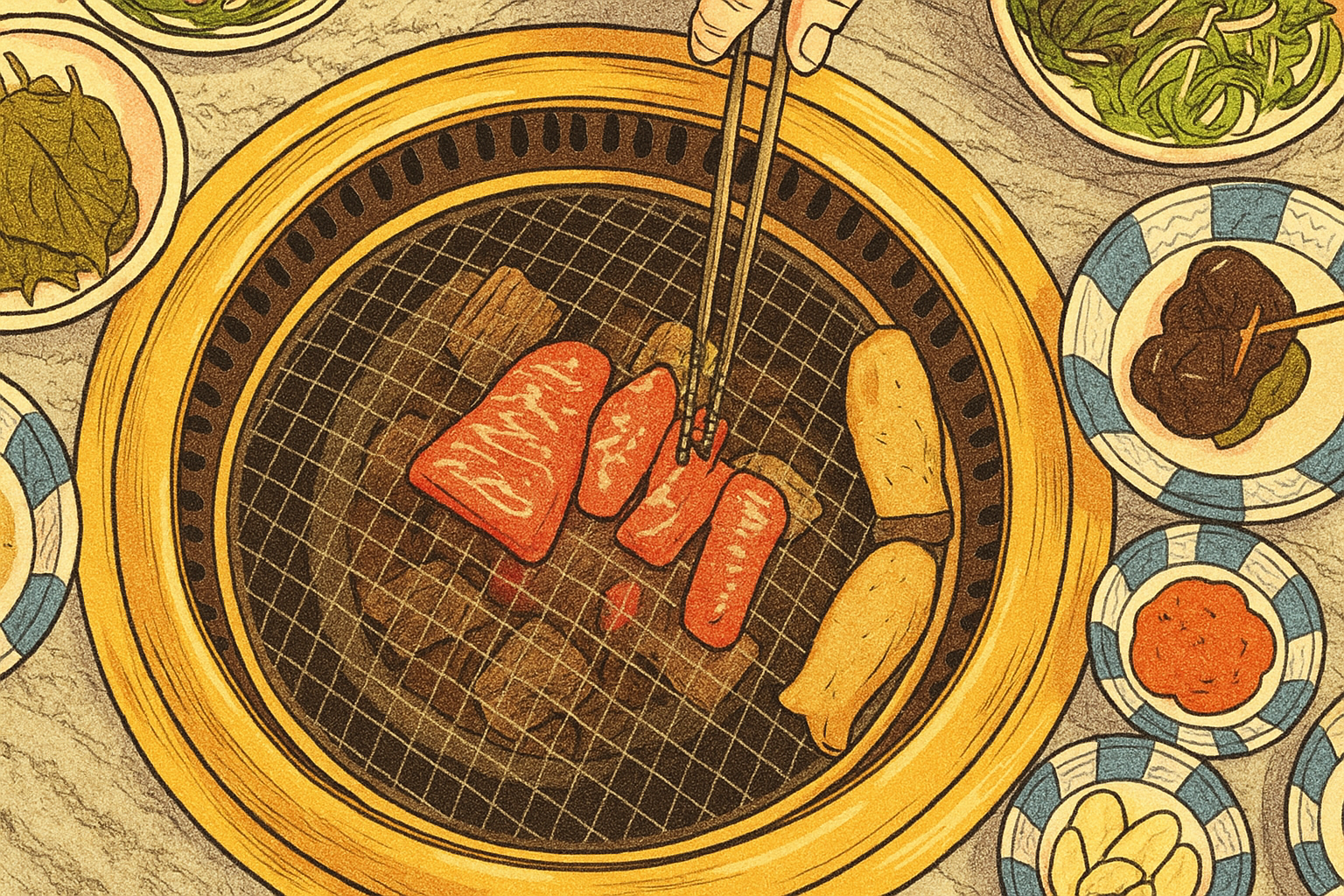
🥩 The Story of Hanwoo — Korea’s Legendary Beef
When people talk about the world’s best beef, Hanwoo (Korean beef) mostly stands proudly more than Japan’s Wagyu and America’s Angus. Hanwoo is not just a type of meat — it’s a cultural symbol, deeply rooted in Korean history, pride, and tradition.
📜 The Historical Origins of Korean Cattle, Hanwoo
Cattle have been a part of Korean life for more than two thousands of years. Records from ancient dynasties like Goguryeo (고구려) and Baekje (백제) describe the use of native yellow cattle (Korean Brown) for farming, transportation, and rituals.
Unlike imported breeds, these cows evolved in harmony with Korea’s mountainous geography and four distinct seasons.
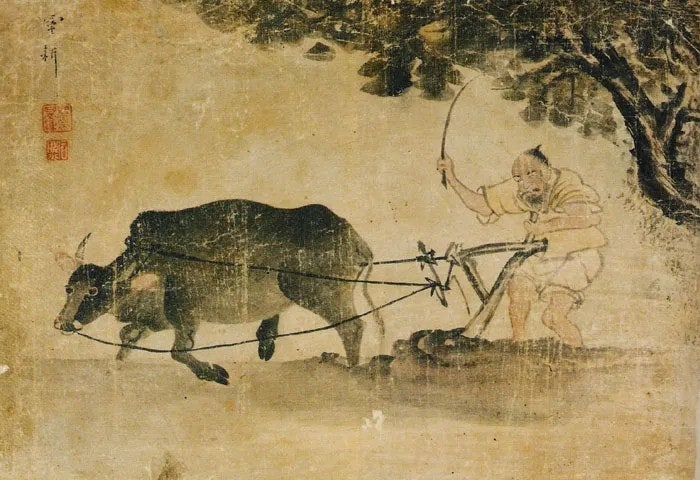
During the Choseon Dynasty (조선시대), Hanwoo cattle were highly valued not only as labor animals but also as key agricultural assets. The meat of Hanwoo was reserved for special occasions, ancestral rites (제사), and royal feasts. Ordinary people rarely had a chance to eat beef unless it was a festival or family celebration. However, at the time, Hanwoo is used to be the labor animal, so it was not very soft and tendered to eat, so the soup with Hanwoo was the way to eat at that time.
⚔️ The Colonial Era and the Struggle for Survival
During the Japanese occupation (1910–1945), Hanwoo faced one of its darkest chapters. Japan, preparing for war, needed strong livestock for its northern regions.
Because the northern horses are needed for the wars, so the government took all the horses out what were the main labors for farming, so Japanese people tried to bring the cows from southern part of Japan, but those cows couldn’t survive the coldness of the northern part of Japan, the Japanese military began forcibly taking Korean yellow cattle and black cattle (흑우) to Japan.
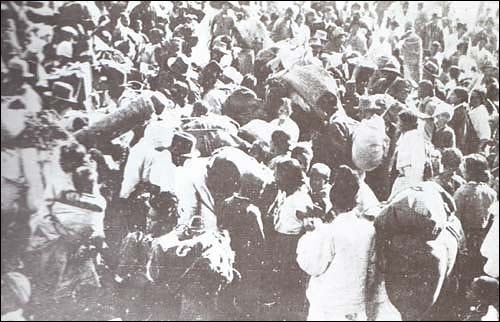
Many of these native Korean cows never returned, and the Hanwoo population declined sharply.
This tragic period nearly erased the genetic purity of Korea’s native cattle. And also, Korean Original Black Cattle(흑우) is one of the main key cow to make Wagyu in Japan. This is why Japan says the yellow cows in Japan are all from Korea, and all black cows are originally from Japan, because at that time, as yellow cows were for labors, so the meat was too chewy which is hard to eat grilling, but black cows were delicious which were from Korea.
After Korea’s liberation in 1945, farmers and scientists began nationwide breeding programs to restore and protect Hanwoo. These efforts laid the foundation for the premium beef Koreans proudly enjoy today.
🧬 The Birth of Modern Hanwoo — Premium Korean Beef
Modern Hanwoo is the result of decades of selective breeding and innovation. It is famous for its beautiful marbling, sweet aroma, and clean beef flavor — less greasy than Wagyu, yet more tender than Angus.
This balance makes Hanwoo one of the most luxurious and sought-after meats in the world.
Hanwoo cattle are raised under strict government standards:
only Korean-born cows fed on natural grains and raised with full traceability records can be certified as Hanwoo.
This transparency adds to consumer trust and boosts international recognition.
🍽️ Experiencing Hanwoo — From Butcher to Table
One of the most unique ways to experience Hanwoo is in Majang-dong (마장동), Seoul’s famous meat district.
Here, visitors can walk through local butcher shops, choose their own beef cuts directly, and take them upstairs to the 2nd-floor BBQ areas.
It’s the ultimate farm-to-table experience — grilling and tasting top-grade Hanwoo within minutes of purchase.
Hanwoo BBQ (한우 바베큐) highlights the meat’s natural flavor — no heavy sauces, just salt and pepper to let the marbling speak for itself.
Beyond BBQ, Hanwoo shines in a variety of beloved Korean dishes:
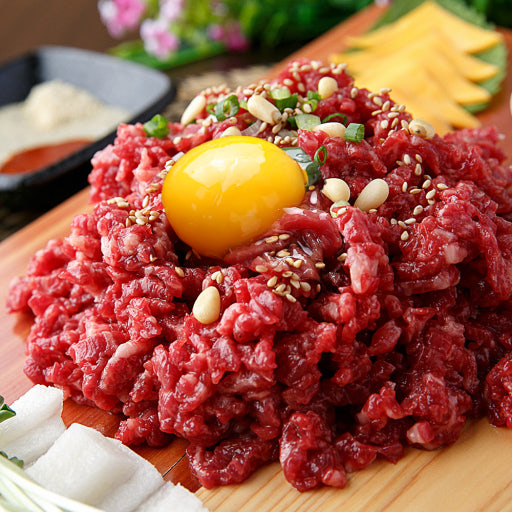
- 🥩 Hanwoo Yukhoe (한우 육회) — Korean-style beef tartare made with fresh raw Hanwoo, seasoned with sesame oil, garlic, and pear.
- 🥢 Hanwoo Yuk Sashimi (육사시미) — Thinly sliced raw beef served cold and delicately marinated.
- 🍚 Hanwoo Yukhoe Bibimbap (한우 육회 비빔밥) — A colorful harmony of rice, vegetables, and chopped Hanwoo raw beef mixed with gochujang (Korean chili paste).
- 🍲 Hanwoo Gomtang (한우 곰탕) — A deep, milky beef soup simmered for hours with Hanwoo bones for pure, comforting flavor.
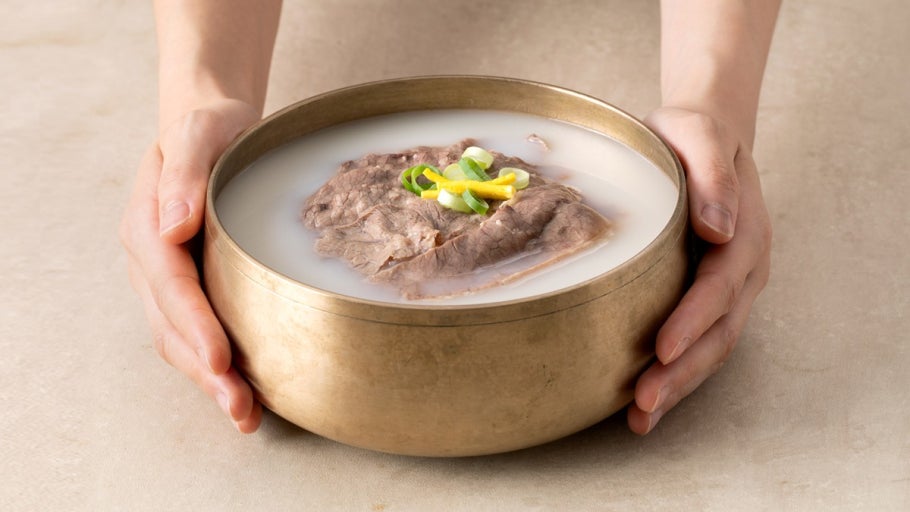
Each dish reveals a different side of Hanwoo — from raw tenderness to rich, soulful umami.
🇰🇷 Hanwoo Today — Korean Pride on a Global Stage
Today, Hanwoo represents more than just food — it’s a symbol of Korean excellence and resilience.
International chefs and gourmet travelers are recognizing Hanwoo’s superior quality and distinct taste.
From Seoul’s fine dining restaurants to small-town BBQ houses, Hanwoo has become a culinary ambassador of Korea to the world.
With government-backed grading systems and traceability programs, Hanwoo continues to build a global reputation as one of the world’s top premium beefs — the true pride of Korea.