[태그:] kfood

  • #2 “The Fiery Popularity of K-Pop Demon Hunters and Tteokbokki 떡볶이  Korea’s Spicy Soul Food”

    #2 “The Fiery Popularity of K-Pop Demon Hunters and Tteokbokki 떡볶이 Korea’s Spicy Soul Food”

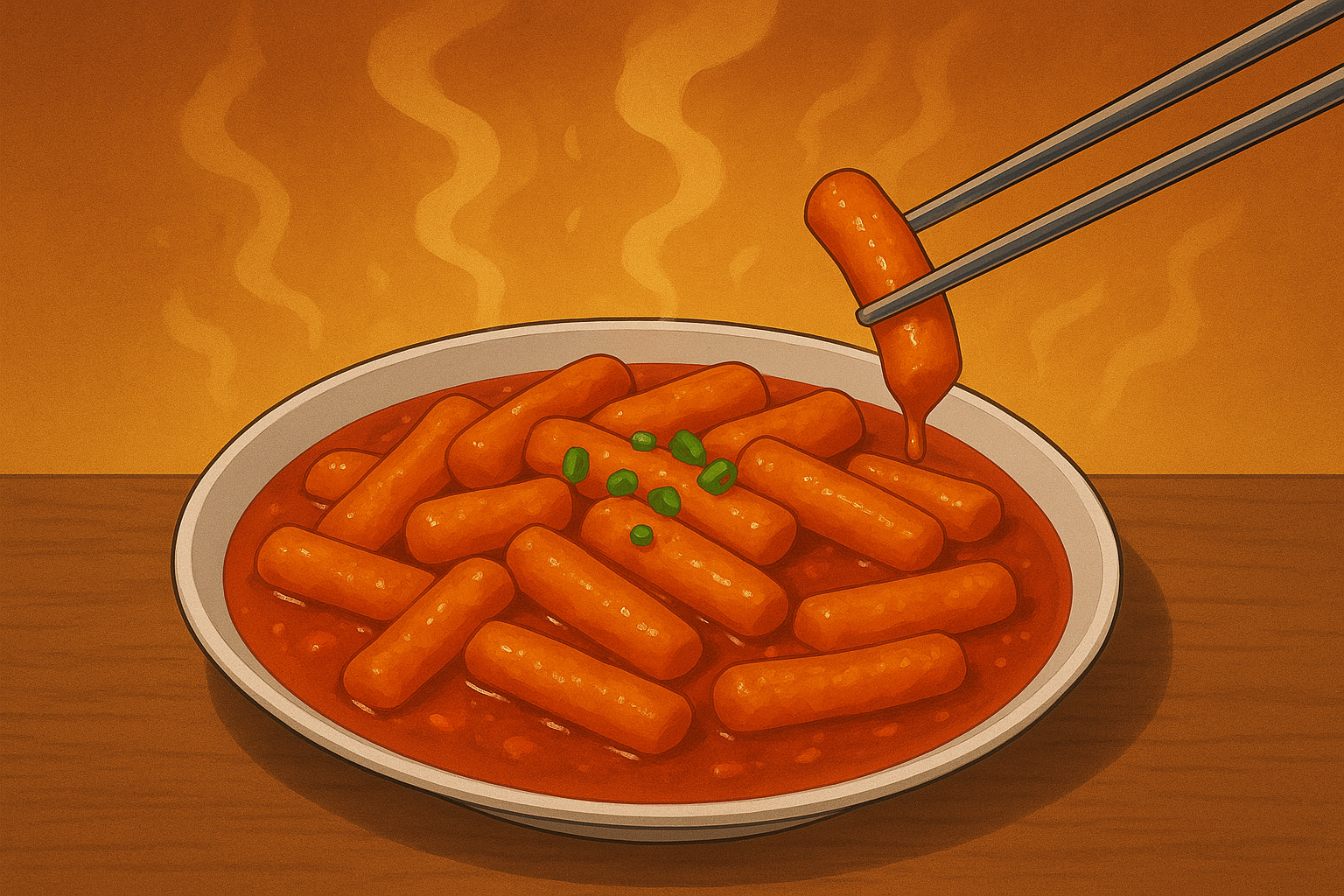
    Tteokbokki (떡볶이) — one of the most iconic Korean street foods — has once again captured the world’s attention, thanks to the hit animation K-Pop Demon Hunters.
    The scene where the demon hunters enjoy spicy tteokbokki with goblins perfectly captures the soul of modern Korean culture.

    In this post, we’ll dive deep into the history of tteokbokki, its symbolism in K-Pop Demon Hunters, and the recipes for various versions:
    classic spicy tteokbokki, royal (gungjung), black bean (jajang), cream, and rosé tteokbokki.


    🩸 Tteokbokki in K-Pop Demon Hunters

    “Spice isn’t just a flavor — it’s our passion.”
    — Leon, Leader of Saja Boys (K-Pop Demon Hunters)

    The scene where the Saja Boys share tteokbokki is more than a meal.
    It represents passion, friendship, and Korean warmth (Jeong, 정).

    The red color of the sauce symbolizes burning ambition,
    the chewy rice cakes represent unity and teamwork,
    and the sweet and spicy flavor reflects the emotional bond between the characters and their fans.

    🎬 “One bite gives me strength.” — Minho, Episode 2 of K-Pop Demon Hunters


    🕰️ A Bite of History — From Royal Palaces to Street Food

    Tteokbokki originally began as a royal court dish during the Joseon Dynasty,
    flavored with soy sauce rather than gochujang. This elegant version was called Gungjung Tteokbokki (궁중 떡볶이).

    After the Korean War in the 1950s, the spicy red gochujang version appeared in Seoul’s Sindang-dong district.
    It quickly became a comfort food that symbolized hope and resilience.

    From royal palaces to bustling street stalls, tteokbokki evolved into a K-Food icon,
    now loved worldwide through K-pop, K-drama, and K-culture.


    🍽️ Classic Spicy Tteokbokki Recipe

    🧂 Ingredients

    • 300g rice cakes (떡)
    • 2 sheets of fish cake
    • 1 green onion
    • 2 tbsp gochujang (고추장 Korean chili paste)
    • 1 tbsp chili flakes
    • 1 tbsp sugar
    • 1 tbsp soy sauce
    • 400ml water

    👩‍🍳 Instructions

    1. Combine all sauce ingredients in a pan and bring to a boil.
    2. Add rice cakes and fish cakes once the sauce starts bubbling.
    3. Simmer on medium heat while stirring until the sauce thickens.
    4. Add green onions at the end and cook for another minute or two.

    💡 Tip: Soaking rice cakes in water before cooking makes them softer and chewier!


    👑 Royal Tteokbokki (Gungjung Tteokbokki)

    A savory, non-spicy version — perfect for those who prefer mild flavors.
    This was once enjoyed by Korean royalty.

    🧂 Ingredients

    • 300g rice cakes
    • 100g beef
    • 2 shiitake mushrooms
    • 1/2 onion
    • 2 tbsp soy sauce
    • 1 tbsp sugar
    • 1 tbsp sesame oil

    👩‍🍳 Instructions

    1. Stir-fry beef, mushrooms, and onions.
    2. Add rice cakes and soy sauce mixture, then simmer gently.
    3. Finish with sesame oil and sesame seeds for aroma.

    ✨ Gungjung Tteokbokki has a subtle sweetness and soy-based umami flavor — perfect for children or international food lovers.
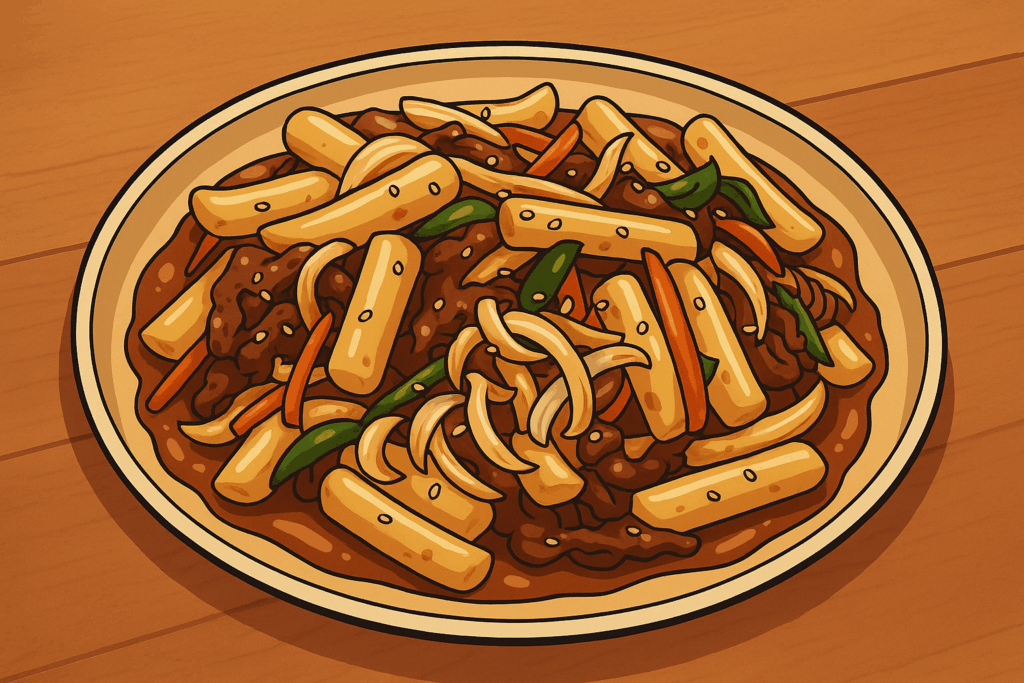

    🖤 Jajang Tteokbokki (Black Bean Sauce)

    Sweet, salty, and deeply flavorful — the jajang version is beloved by kids and adults alike.

    🧂 Ingredients

    • 300g rice cakes
    • 3 tbsp black bean paste (chunjang)
    • 2 sheets fish cake
    • 1/2 onion
    • 300ml water

    👩‍🍳 Instructions

    1. Stir-fry onion and fish cakes, then add black bean paste.
    2. Add rice cakes and water, and simmer until thickened.
    3. Serve hot with sliced green onions on top.
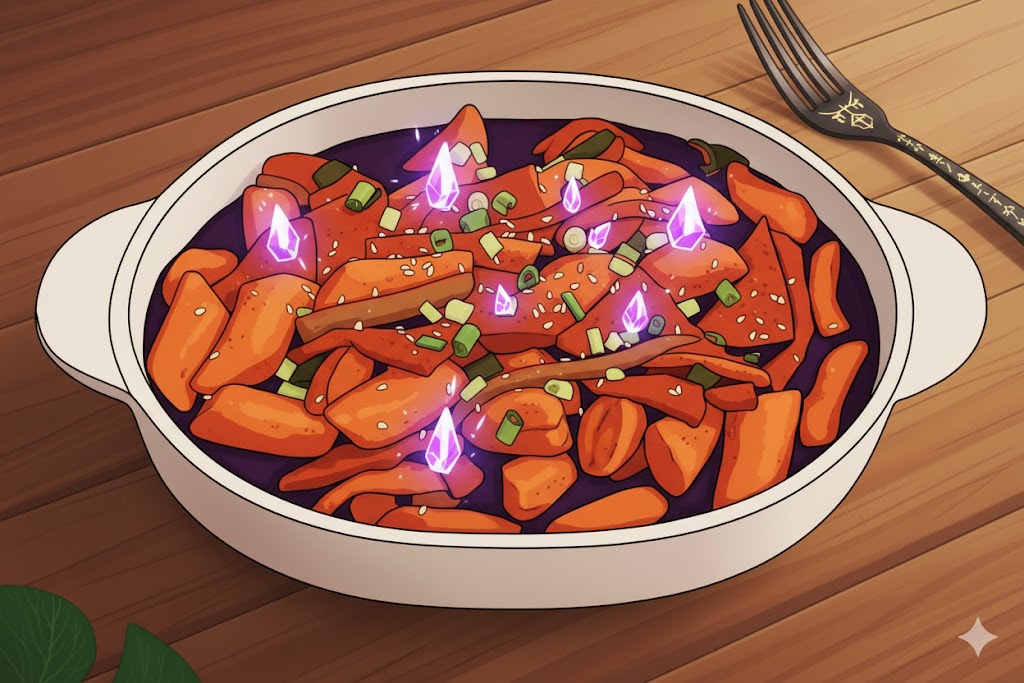
    🤍 Cream Tteokbokki

    A western twist on a Korean classic! Smooth, creamy, and comforting.

    🧂 Ingredients

    • 300g rice cakes
    • 200ml heavy cream
    • 100ml milk
    • 1/4 onion
    • 1 tbsp butter
    • Salt & pepper to taste

    👩‍🍳 Instructions

    1. Melt butter and sauté onion.
    2. Add cream and milk, bring to a gentle boil.
    3. Add rice cakes and stir until thick and creamy.

    💡 Add shrimp, bacon, or cheese for a richer flavor!


    🌹 Rosé Tteokbokki

    The trending star of K-Food — spicy, creamy, and utterly irresistible.
    This version combines gochujang with cream and cheese.

    🧂 Ingredients

    • 300g rice cakes
    • 1 tbsp gochujang
    • 200ml heavy cream
    • 50g mozzarella cheese
    • 1/4 onion
    • 1 tbsp butter

    👩‍🍳 Instructions

    1. Sauté onion with butter, then mix in gochujang.
    2. Add cream and simmer, then stir in rice cakes.
    3. Finish with mozzarella cheese and melt until creamy.

    🔥 Tteokbokki’s Global Fever

    • Featured on Netflix, YouTube, and TikTok as part of the K-Food wave
    • Celebrities worldwide share K-Pop-inspired tteokbokki mukbangs
    • Continually evolving — from rosé to vegan variations

    🌏 As K-Pop Demon Hunters shows us, tteokbokki is more than food —
    it’s a symbol of Korean emotion, culture, and passion that resonates globally.


    🏁 Final Thoughts

    Tteokbokki isn’t just spicy rice cakes —
    it’s a story of Korean history, resilience, and K-pop energy.
    Like the K-pop Demon Hunters, take one fiery bite and feel the passion ignite! 🔥


    #KFood #Tteokbokki #KpopDemonHunters #KoreanFood #Kpop #RoséTteokbokki #RoyalTteokbokki #JajangTteokbokki #CreamTteokbokki #Kculture #Kdrama #KpopFood

  • #1 “Kimbap 김밥: Korea’s Iconic Roll Beyond Sushi”

    #1 “Kimbap 김밥: Korea’s Iconic Roll Beyond Sushi”


    🥢 Kimbap: Korea’s Iconic Roll Beyond Sushi

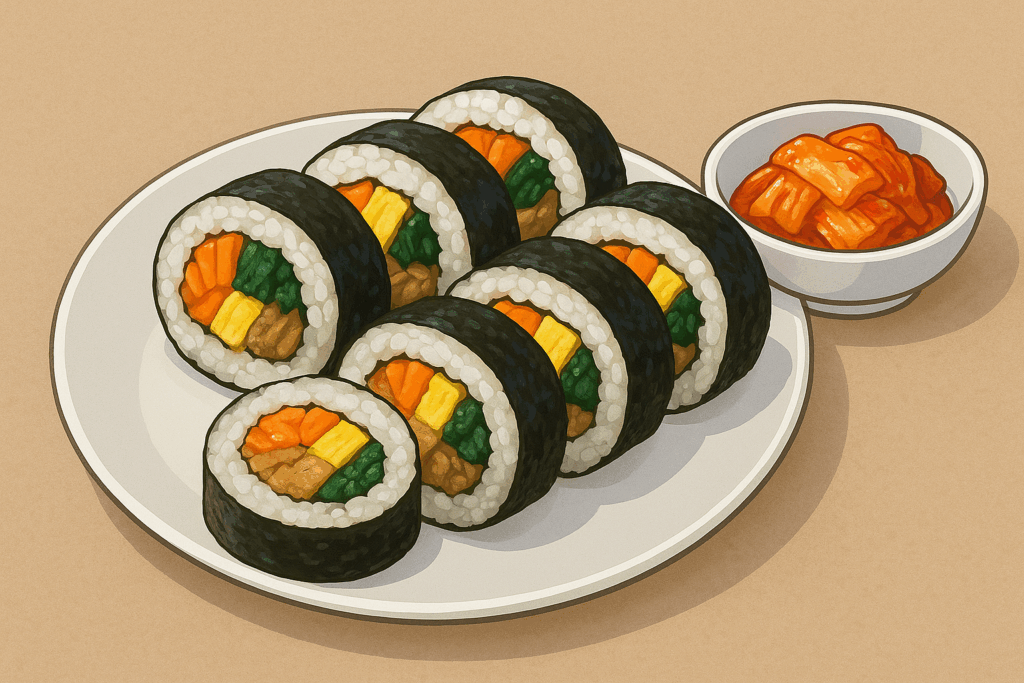
    Kimbap (김밥) — one of Korea’s most iconic and loved foods — may look like sushi at first glance, but it’s a world of flavor apart.
    While Japanese sushi (스시) focuses on vinegared rice and raw fish, Kimbap celebrates sesame oil–flavored rice with colorful, cooked ingredients that create harmony in every bite.

    Kimbap is the ultimate comfort food in Korea — found in lunchboxes, at picnics, or on bustling Seoul streets.
    It’s quick, beautiful, and full of heart — much like Korean culture itself.


    🍙 What Makes Kimbap Different from Sushi?

    The difference lies in the rice and the fillings.

    • Sushi uses vinegared rice and raw seafood.
    • Kimbap uses sesame oil–seasoned rice and various cooked fillings such as spinach, egg, ham, or pickled radish (단무지).

    The result?
    Kimbap tastes more aromatic, savory, and comforting — designed for a full meal rather than just a bite.


    🌈 The Endless Possibilities of Kimbap

    Every roll tells a story — and every Korean family has its own version of the perfect Kimbap.

    Popular Kimbap Variations

    • Classic Kimbap (기본 김밥) – Spinach, pickled radish, carrot, egg, and ham.
    • Tuna Mayo Kimbap (참치마요김밥) – Creamy tuna and mayonnaise with fresh vegetables.
    • Bulgogi Kimbap (불고기김밥) – Sweet and savory grilled beef with greens.
    • Cheese Kimbap (치즈김밥) – A modern favorite among kids and teens.
    • Chungmu Kimbap (충무김밥) – Small rolls served with spicy squid and radish kimchi.

    From traditional lunchboxes to trendy K-cafés, Kimbap continues to evolve — just like K-culture itself.


    🎬 Kimbap in Pop Culture: The “K-pop Demon Hunters” Moment

    In the global hit “K-pop Demon Hunters (케이팝 데몬 헌터스)”, a simple roll of Kimbap appeared in a powerful scene — representing togetherness and hope amidst chaos.
    It wasn’t just a prop. It was a symbol of resilience, nostalgia, and humanity.

    Just like Kimbap, K-pop Demon Hunters embodies the Korean spirit — warm, emotional, and deeply creative. Kimbap connects people across tables, just as K-pop Demon Hunters connects hearts across cultures.


    🍱 How to Make Kimbap at Home (Simple Recipe)

    Making Kimbap at home is surprisingly easy — and the result is as satisfying as it is beautiful.

    🧂 Ingredients (for 2 rolls)

    • 2 sheets of roasted seaweed (김)
    • 2 cups cooked rice
    • 1 tbsp sesame oil
    • 1 tsp salt
    • 2 eggs (beaten, cooked thin, and sliced)
    • ½ carrot (julienned and sautéed)
    • 1 cucumber (cut into strips)
    • Pickled radish (단무지), long strips
    • 2 slices of ham or crab sticks
    • Handful of spinach (blanched and seasoned with salt + sesame oil)

    🍴 Instructions

    1. Prepare rice: Mix rice with sesame oil and salt. Cool slightly.
    2. Cook fillings: Make egg omelet, sauté carrot, and season spinach.
    3. Lay seaweed: Shiny side down on bamboo mat.
    4. Spread rice: Thin layer of rice, leaving 2 cm at top.
    5. Add fillings: Arrange horizontally across the rice.
    6. Roll: Use the bamboo mat to roll tightly, pressing gently.
    7. Finish: Brush with sesame oil, sprinkle sesame seeds, and slice.

    💡 Tip: Kimbap tastes best freshly made — perfect for picnics or quick lunches.


    🥢 Kimbap Is More Than Food

    Every Kimbap roll carries a piece of Korean life — family mornings, school trips, or quiet train rides.
    It represents togetherness, creativity, and care.

    Kimbap mirrors modern Korea: deeply traditional, yet endlessly innovative.
    From K-pop to Kpop demon hunters, Korea continues to inspire — and Kimbap is its flavorful ambassador to the world.


    🔥 Next on the Menu: Tteokbokki (떡볶이) — The Spicy Soul of Korea

    If Kimbap is the heart of Korean comfort, Tteokbokki is the fire that ignites it.
    In the next post, we’ll explore how this spicy rice cake dish became the symbol of Korean street food passion, and why it’s the perfect partner to Kimbap.